Each product available on the platform is listed and sold by a partner seller identified on the product page. The platform acts as a metasearch/marketplace: it facilitates discovery and checkout, but the sale is made by the seller, who becomes responsible for the transaction.
Shipping is managed directly by the partner seller. The package is sent from the seller's warehouse or logistics network and handed over to the courier. This model enables more efficient deliveries and ensures that order management is handled by the party with actual availability of the product.
On the product page, you will find ingredients, allergens and nutritional information based on the data provided by the seller or producer, namely the official label. If you have allergies or intolerances, we recommend carefully checking the product page before purchasing and contacting the seller with any specific questions.
The platform was created to promote Italian food and make it more accessible. We select sellers in the food e-commerce sector with consistent catalogs and transparent information. Each product is associated with an identifiable seller and a complete information page: we want shopping here to mean buying with confidence.
Delivery times and costs depend on the seller and destination. At checkout, you will always find an updated delivery estimate before confirming payment. For international shipments, times may vary depending on the country and courier.
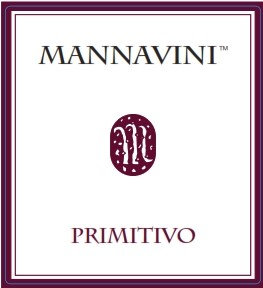
Primitivo is a dark-skinned grape known for producing tannic wines, as well as its naturally sweet Dolce Naturale variant. A classic Primitivo wine is rich in alcohol and tannins, with an intense flavour and deep colour. In Manduria, fortified liqueur-style variants often reach an alcohol level of 18%, which is reduced to 14% in table wines. A certain bitterness is often found in Primitivo which, combined with its mouth-coating tannins, means that it needs a few years both in the bottle and in the barrel. Although there have been controversial and long-running debates about the variety's geographical origins, there is no doubt that the modern home of Primitivo is in southern Italy, particularly Puglia. It probably arrived there from the coastal vineyards of Croatia, just across the Adriatic Sea, where it is still grown today under various unusual names, including Tribidrag and Crljenak Kaštelanski. At the beginning of the 19th century, the variety was introduced to the United States under the name Zinfandel. It was hugely successful there, earning a reputation as America's «national grape». It caused considerable consternation on both sides of the Atlantic when DNA analysis demonstrated that Zinfandel and Primitivo were the same variety.
Price including VAT
Primitivo is a dark-skinned grape known for producing tannic wines, as well as its naturally sweet Dolce Naturale variant. A classic Primitivo wine is rich in alcohol and tannins, with an intense flavour and deep colour. In Manduria, fortified liqueur-style variants often reach an alcohol level of 18%, which is reduced to 14% in table wines. A certain bitterness is often found in Primitivo which, combined with its mouth-coating tannins, means that it needs a few years both in the bottle and in the barrel. Although there have been controversial and long-running debates about the variety's geographical origins, there is no doubt that the modern home of Primitivo is in southern Italy, particularly Puglia. It probably arrived there from the coastal vineyards of Croatia, just across the Adriatic Sea, where it is still grown today under various unusual names, including Tribidrag and Crljenak Kaštelanski. At the beginning of the 19th century, the variety was introduced to the United States under the name Zinfandel. It was hugely successful there, earning a reputation as America's «national grape». It caused considerable consternation on both sides of the Atlantic when DNA analysis demonstrated that Zinfandel and Primitivo were the same variety.