Each product available on the platform is listed and sold by a partner seller identified on the product page. The platform acts as a metasearch/marketplace: it facilitates discovery and checkout, but the sale is made by the seller, who becomes responsible for the transaction.
Shipping is managed directly by the partner seller. The package is sent from the seller's warehouse or logistics network and handed over to the courier. This model enables more efficient deliveries and ensures that order management is handled by the party with actual availability of the product.
On the product page, you will find ingredients, allergens and nutritional information based on the data provided by the seller or producer, namely the official label. If you have allergies or intolerances, we recommend carefully checking the product page before purchasing and contacting the seller with any specific questions.
The platform was created to promote Italian food and make it more accessible. We select sellers in the food e-commerce sector with consistent catalogs and transparent information. Each product is associated with an identifiable seller and a complete information page: we want shopping here to mean buying with confidence.
Delivery times and costs depend on the seller and destination. At checkout, you will always find an updated delivery estimate before confirming payment. For international shipments, times may vary depending on the country and courier.
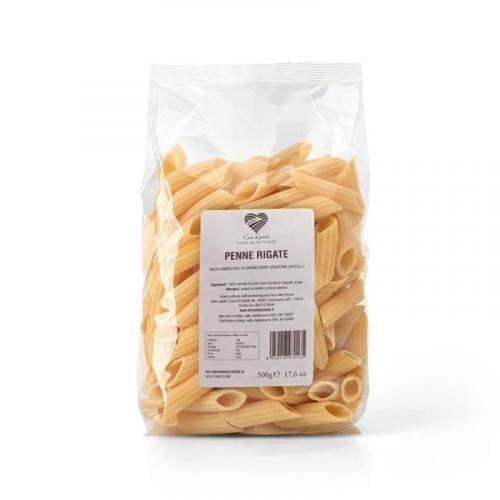
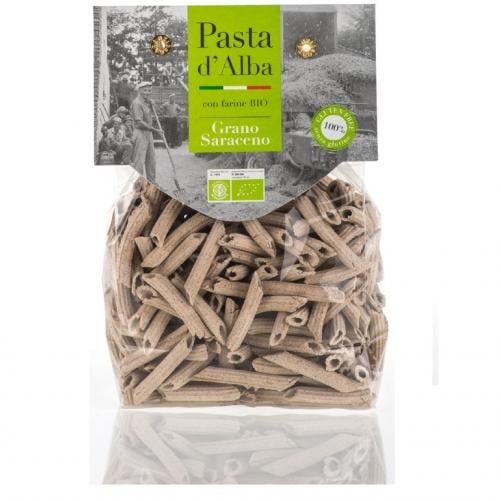
Simbiotic penne come from so-called Simbiotic farming, a cutting-edge cultivation process in which the soil is no longer treated with pesticides or plant protection products, nor subjected to additional fertilisation, but is inoculated with completely natural products such as symbiotic fungi, bacteria and yeasts. Enriching the soil's microbial communities (microbiome) near the wheat roots allows the plant to absorb high quantities of nutrients and trace elements without any chemical treatments. Microorganisms enter into symbiosis with the plant, protect it from pathogens and preserve soil biodiversity, providing natural protection that does not require the use of chemicals that reduce soil biodiversity over time. The symbiotic exchange (plant/microorganisms) allows the cereal to produce nutraceutical substances known to be beneficial to people and their diet.
Price including VAT
Simbiotic penne come from so-called Simbiotic farming, a cutting-edge cultivation process in which the soil is no longer treated with pesticides or plant protection products, nor subjected to additional fertilisation, but is inoculated with completely natural products such as symbiotic fungi, bacteria and yeasts. Enriching the soil's microbial communities (microbiome) near the wheat roots allows the plant to absorb high quantities of nutrients and trace elements without any chemical treatments. Microorganisms enter into symbiosis with the plant, protect it from pathogens and preserve soil biodiversity, providing natural protection that does not require the use of chemicals that reduce soil biodiversity over time. The symbiotic exchange (plant/microorganisms) allows the cereal to produce nutraceutical substances known to be beneficial to people and their diet.