Each product available on the platform is listed and sold by a partner seller identified on the product page. The platform acts as a metasearch/marketplace: it facilitates discovery and checkout, but the sale is made by the seller, who becomes responsible for the transaction.
Shipping is managed directly by the partner seller. The package is sent from the seller's warehouse or logistics network and handed over to the courier. This model enables more efficient deliveries and ensures that order management is handled by the party with actual availability of the product.
On the product page, you will find ingredients, allergens and nutritional information based on the data provided by the seller or producer, namely the official label. If you have allergies or intolerances, we recommend carefully checking the product page before purchasing and contacting the seller with any specific questions.
The platform was created to promote Italian food and make it more accessible. We select sellers in the food e-commerce sector with consistent catalogs and transparent information. Each product is associated with an identifiable seller and a complete information page: we want shopping here to mean buying with confidence.
Delivery times and costs depend on the seller and destination. At checkout, you will always find an updated delivery estimate before confirming payment. For international shipments, times may vary depending on the country and courier.
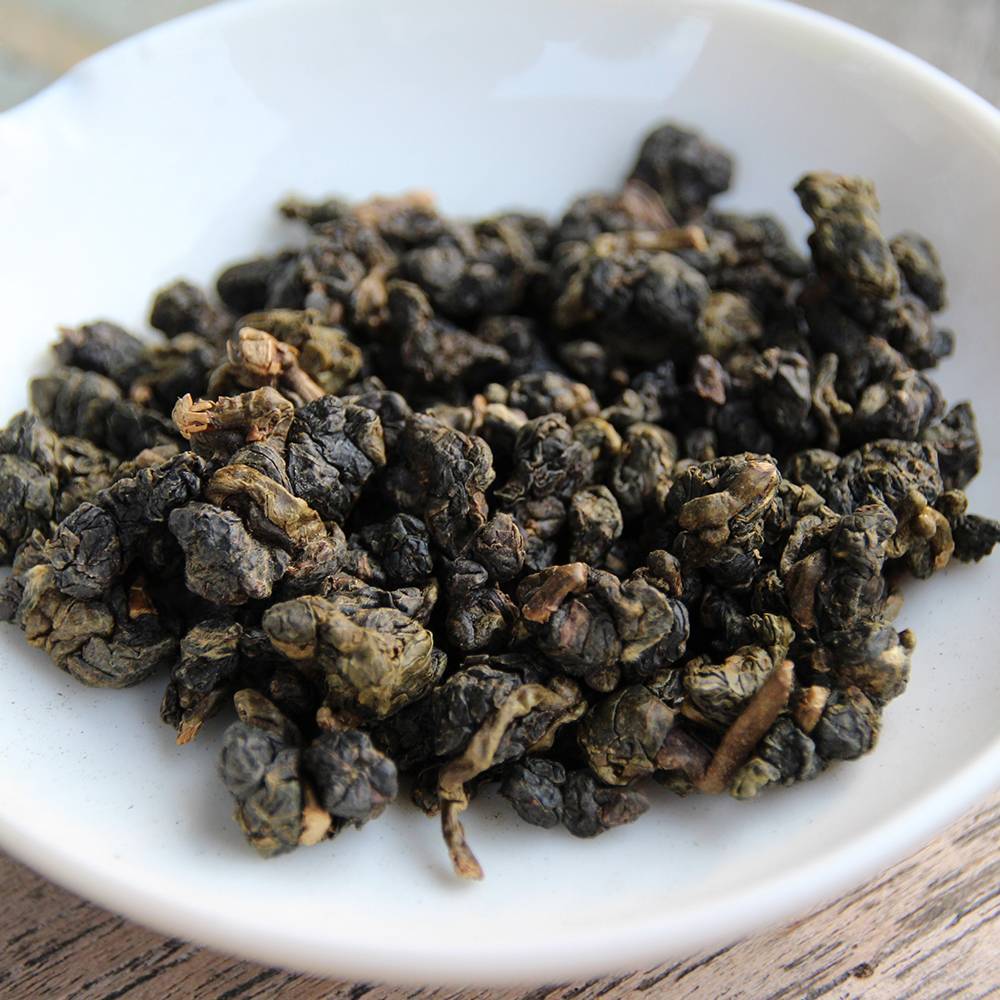
Dong Ding Oolong tea is a fairly renowned type of Taiwanese oolong, which has changed considerably since its beginnings in the 1980s. When this tea began conquering the market about forty years ago, it had high oxidation and underwent a very intense roasting process, which made the leaves dark brown, like those of a red tea. Today, although it comes from the same area of Taiwan around Mount Lugu, this product is usually oxidized and roasted less, since the prevailing taste favors a less smoky and tannic character in oolongs. For this new Dong Ding in our selection, we have chosen to emphasize the roasting slightly more to obtain a deeper taste. During tasting, woody nuances will therefore be noticeable, with some vegetal notes characterized by a dark, balsamic tone in the background. Compared with the other Dong Ding in our catalogue, this tea has a slight bitter edge in the aftertaste due to the roasting, revealing a production approach closer to that of the past than the softer, fresher modern style. Tasting - Appearance and aroma Dong Ding Oolong tea from Taiwan has fairly tightly rolled leaves with a glossy surface, dark green and military green in color, with light brown to ochre tones around the stems. Once infused, they release floral aromas, roasted nut aromas, and slightly herbaceous, fresh notes on the finish. In the cup, the liquor is straw yellow, with some pinkish highlights. Tasting notes GONG FU CHA The first infusion of Dong Ding Oolong tea from Taiwan has sweet aromas reminiscent of caramel and vanilla, followed by light but easily identifiable notes of white flowers. With the second infusion, the body becomes denser and oilier, with a milky note blended with floral flavors. A fresh herbal note can also be detected, completely free of astringency, along with roasted hazelnut and caramelized almond aromas. The third infusion brings much more intense white-flower notes, including wisteria and magnolia. The milky sweetness becomes more pronounced and, combined with the dense body, evokes cream and honey milk. A very slight citrus note appears on the finish, perceptible along the sides of the tongue. WESTERN STYLE The first notes perceived in the first sip of Dong Ding Oolong tea from Taiwan recall a magnificent floral bouquet of wisteria, lily of the valley and orchid. Roasted almond aromas follow, with the faintest hint of charcoal. The body is dense and almost creamy, and the taste reveals milky and buttery notes, as well as a touch of vanilla reminiscent of pastry cream. No bitterness or astringency. The finish is floral and extremely sweet, leaving a sugary sensation on the tongue and palate. Origin Mount Lugu, Nantou - Taiwan Production After harvesting, the leaves wither in the sun for a few hours before resting on covered bamboo trays. Oxidation then begins through manual leaf massage performed by the producing master. Once the desired oxidation level, approximately 40%, is reached, the tea enters the next stage, in which the leaves are placed in a charcoal-heated oven to stop enzymatic activity and set the product’s characteristics. After this oven stage, the final shape is given to the leaves by hand, rolling them onto themselves so that their aromas are better preserved. The product can now be roasted several times to change its flavor profile and, once dried, will retain its rolled shape and be ready for consumption. Preparation We strongly recommend brewing this tea using the traditional Chinese gong fu cha method to best enjoy these leaves. With this preparation, use 5 grams of leaves, approximately 3 teaspoons, in a gaiwan of about 150 ml to obtain several infusions with different flavors. After quickly rinsing the leaves in water at 90 °C, proceed with a first infusion of 15 seconds. Then, keeping the water at the same temperature, increase the time by 5 seconds each time: 15 - 20 - 25… This tea lasts for approximately 6 infusions. For a classic Western-style preparation, we recommend 3 grams of leaves, approximately 2 teaspoons, in a 200 ml cup with water at 90 °C for an infusion time of one and a half minutes. If you experiment with different quantities of leaves, allow enough space for them to expand freely in the liquid without being compressed or obstructed. This will allow you to make the most of the product without hindering the extraction of flavor compounds. The tea may be filtered for easier tasting, and the infusion times indicated above are purely advisory, so they may also be adjusted according to personal taste. Store in a cool, dry place away from direct sunlight.
Price including VAT
Dong Ding Oolong tea is a fairly renowned type of Taiwanese oolong, which has changed considerably since its beginnings in the 1980s. When this tea began conquering the market about forty years ago, it had high oxidation and underwent a very intense roasting process, which made the leaves dark brown, like those of a red tea. Today, although it comes from the same area of Taiwan around Mount Lugu, this product is usually oxidized and roasted less, since the prevailing taste favors a less smoky and tannic character in oolongs. For this new Dong Ding in our selection, we have chosen to emphasize the roasting slightly more to obtain a deeper taste. During tasting, woody nuances will therefore be noticeable, with some vegetal notes characterized by a dark, balsamic tone in the background. Compared with the other Dong Ding in our catalogue, this tea has a slight bitter edge in the aftertaste due to the roasting, revealing a production approach closer to that of the past than the softer, fresher modern style. Tasting - Appearance and aroma Dong Ding Oolong tea from Taiwan has fairly tightly rolled leaves with a glossy surface, dark green and military green in color, with light brown to ochre tones around the stems. Once infused, they release floral aromas, roasted nut aromas, and slightly herbaceous, fresh notes on the finish. In the cup, the liquor is straw yellow, with some pinkish highlights. Tasting notes GONG FU CHA The first infusion of Dong Ding Oolong tea from Taiwan has sweet aromas reminiscent of caramel and vanilla, followed by light but easily identifiable notes of white flowers. With the second infusion, the body becomes denser and oilier, with a milky note blended with floral flavors. A fresh herbal note can also be detected, completely free of astringency, along with roasted hazelnut and caramelized almond aromas. The third infusion brings much more intense white-flower notes, including wisteria and magnolia. The milky sweetness becomes more pronounced and, combined with the dense body, evokes cream and honey milk. A very slight citrus note appears on the finish, perceptible along the sides of the tongue. WESTERN STYLE The first notes perceived in the first sip of Dong Ding Oolong tea from Taiwan recall a magnificent floral bouquet of wisteria, lily of the valley and orchid. Roasted almond aromas follow, with the faintest hint of charcoal. The body is dense and almost creamy, and the taste reveals milky and buttery notes, as well as a touch of vanilla reminiscent of pastry cream. No bitterness or astringency. The finish is floral and extremely sweet, leaving a sugary sensation on the tongue and palate. Origin Mount Lugu, Nantou - Taiwan Production After harvesting, the leaves wither in the sun for a few hours before resting on covered bamboo trays. Oxidation then begins through manual leaf massage performed by the producing master. Once the desired oxidation level, approximately 40%, is reached, the tea enters the next stage, in which the leaves are placed in a charcoal-heated oven to stop enzymatic activity and set the product’s characteristics. After this oven stage, the final shape is given to the leaves by hand, rolling them onto themselves so that their aromas are better preserved. The product can now be roasted several times to change its flavor profile and, once dried, will retain its rolled shape and be ready for consumption. Preparation We strongly recommend brewing this tea using the traditional Chinese gong fu cha method to best enjoy these leaves. With this preparation, use 5 grams of leaves, approximately 3 teaspoons, in a gaiwan of about 150 ml to obtain several infusions with different flavors. After quickly rinsing the leaves in water at 90 °C, proceed with a first infusion of 15 seconds. Then, keeping the water at the same temperature, increase the time by 5 seconds each time: 15 - 20 - 25… This tea lasts for approximately 6 infusions. For a classic Western-style preparation, we recommend 3 grams of leaves, approximately 2 teaspoons, in a 200 ml cup with water at 90 °C for an infusion time of one and a half minutes. If you experiment with different quantities of leaves, allow enough space for them to expand freely in the liquid without being compressed or obstructed. This will allow you to make the most of the product without hindering the extraction of flavor compounds. The tea may be filtered for easier tasting, and the infusion times indicated above are purely advisory, so they may also be adjusted according to personal taste. Store in a cool, dry place away from direct sunlight.