Each product available on the platform is listed and sold by a partner seller identified on the product page. The platform acts as a metasearch/marketplace: it facilitates discovery and checkout, but the sale is made by the seller, who becomes responsible for the transaction.
Shipping is managed directly by the partner seller. The package is sent from the seller's warehouse or logistics network and handed over to the courier. This model enables more efficient deliveries and ensures that order management is handled by the party with actual availability of the product.
On the product page, you will find ingredients, allergens and nutritional information based on the data provided by the seller or producer, namely the official label. If you have allergies or intolerances, we recommend carefully checking the product page before purchasing and contacting the seller with any specific questions.
The platform was created to promote Italian food and make it more accessible. We select sellers in the food e-commerce sector with consistent catalogs and transparent information. Each product is associated with an identifiable seller and a complete information page: we want shopping here to mean buying with confidence.
Delivery times and costs depend on the seller and destination. At checkout, you will always find an updated delivery estimate before confirming payment. For international shipments, times may vary depending on the country and courier.

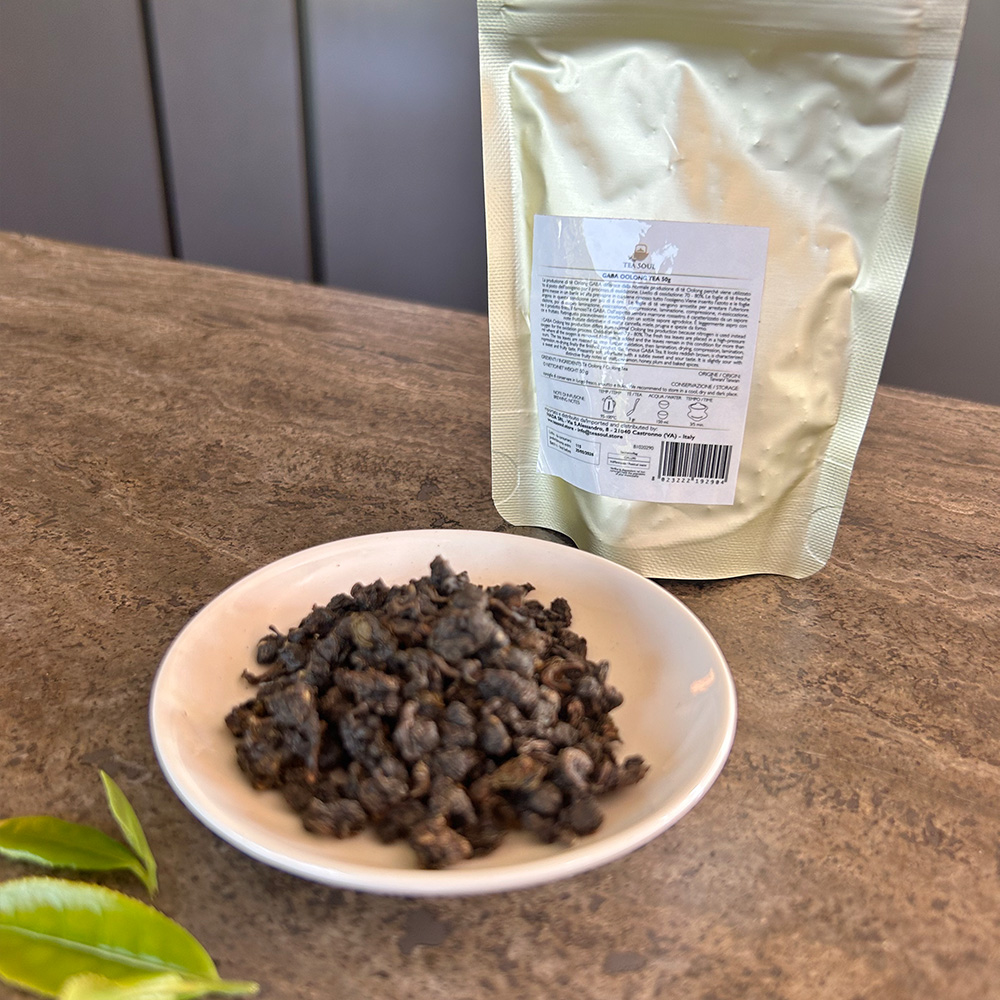
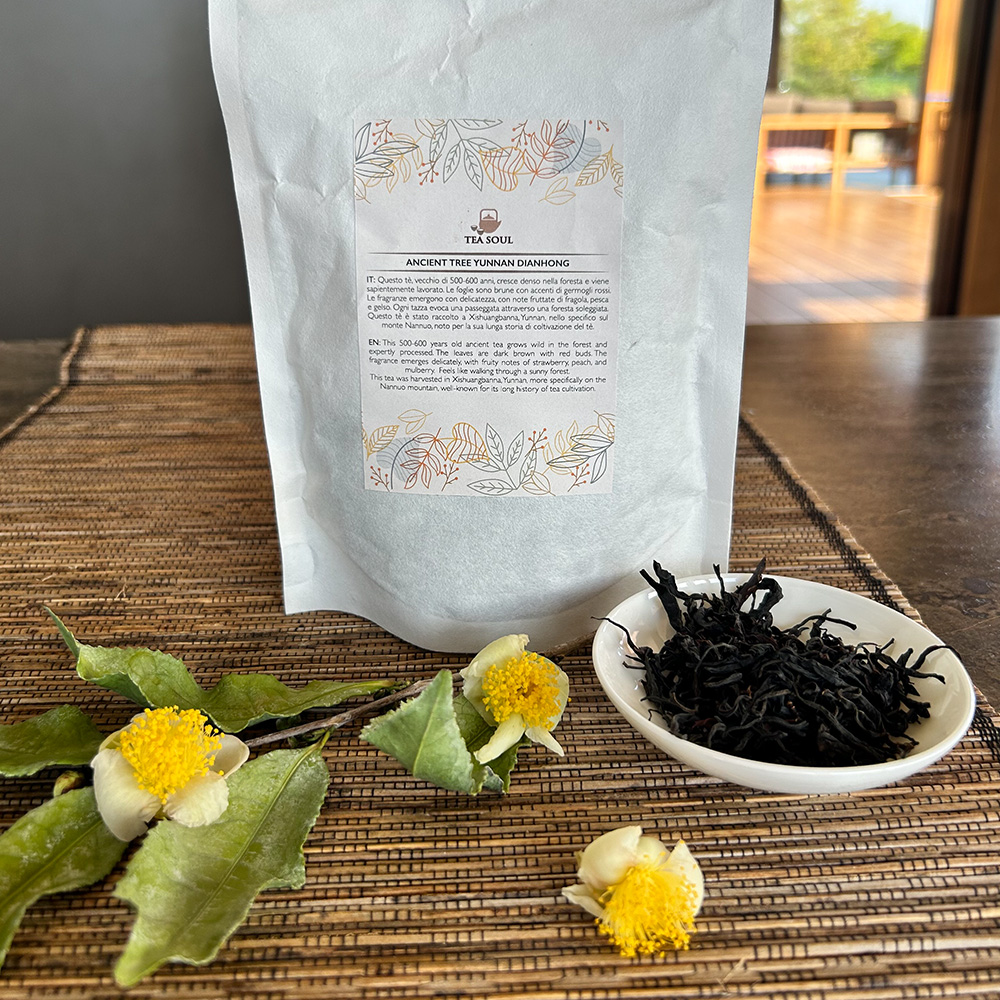
Dong Ding Oolong Tea from Vietnam is a refined meeting between Taiwanese tradition and the character of Vietnamese territory. Its leaves belong to the Jin Xuan cultivar, known for its soft, buttery aromatic profile, and are harvested and processed according to a method inspired by the classic Dong Ding style of Taiwan, developing their own fruity and velvety identity. This tea comes from Son La District in northern Vietnam, at approximately 1,000–1,200 metres above sea level, in a garden cultivated according to permaculture principles. Tea trees grow together with flowers and fruit trees, including plum and orange trees, in an environment characterised by diverse species. This is not an industrial monoculture, but an artisanal project combining Taiwanese processing tradition with the characteristics of the Vietnamese mountain territory. Sensory profile The infusion is clear and amber-coloured, with golden reflections. The nose reveals buttery and toasted notes, followed by ripe red fruit and a light floral vein. On the palate, the texture is velvety and dense, with a full, rounded body. The flavour opens with warm, gourmand tones and evolves towards a sweet, persistent finish, without marked bitterness or astringency. The aromatic persistence recalls cooked plum, melted butter and the toasted notes typical of roasted Oolongs. The result is a balance of aromatic depth, softness and floral nuances. Place of origin Son La District – northern Vietnam The leaves are hand-picked, selecting buds with two or three leaves. After natural withering, the tea undergoes approximately 80% oxidation, followed by light roasting. Processing follows the Taiwanese Dong Ding style and is adapted by a Vietnamese tea master who gained experience in Taiwan and has more than forty years in the industry. Roasting enhances the buttery, toasted and fruity notes while preserving a soft, balanced character. Preparation We strongly recommend infusing this tea using the traditional Chinese method (gong fu cha). Use 5 grams of leaves (about 3 teaspoons) in a gaiwan of approximately 150 ml for multiple infusions. After quickly rinsing the leaves in water at 85 °C, infuse for 15 seconds; then maintain the same temperature and increase the time by 5 seconds for each successive infusion (15–20–25…). This tea lasts for approximately 6 infusions. For a classic Western preparation, use 3 grams of leaves (about 2 teaspoons) in a 200 ml cup with water at 85 °C for one and a half minutes. Store in a cool, dry place away from direct sunlight.
Price including VAT
Dong Ding Oolong Tea from Vietnam is a refined meeting between Taiwanese tradition and the character of Vietnamese territory. Its leaves belong to the Jin Xuan cultivar, known for its soft, buttery aromatic profile, and are harvested and processed according to a method inspired by the classic Dong Ding style of Taiwan, developing their own fruity and velvety identity. This tea comes from Son La District in northern Vietnam, at approximately 1,000–1,200 metres above sea level, in a garden cultivated according to permaculture principles. Tea trees grow together with flowers and fruit trees, including plum and orange trees, in an environment characterised by diverse species. This is not an industrial monoculture, but an artisanal project combining Taiwanese processing tradition with the characteristics of the Vietnamese mountain territory. Sensory profile The infusion is clear and amber-coloured, with golden reflections. The nose reveals buttery and toasted notes, followed by ripe red fruit and a light floral vein. On the palate, the texture is velvety and dense, with a full, rounded body. The flavour opens with warm, gourmand tones and evolves towards a sweet, persistent finish, without marked bitterness or astringency. The aromatic persistence recalls cooked plum, melted butter and the toasted notes typical of roasted Oolongs. The result is a balance of aromatic depth, softness and floral nuances. Place of origin Son La District – northern Vietnam The leaves are hand-picked, selecting buds with two or three leaves. After natural withering, the tea undergoes approximately 80% oxidation, followed by light roasting. Processing follows the Taiwanese Dong Ding style and is adapted by a Vietnamese tea master who gained experience in Taiwan and has more than forty years in the industry. Roasting enhances the buttery, toasted and fruity notes while preserving a soft, balanced character. Preparation We strongly recommend infusing this tea using the traditional Chinese method (gong fu cha). Use 5 grams of leaves (about 3 teaspoons) in a gaiwan of approximately 150 ml for multiple infusions. After quickly rinsing the leaves in water at 85 °C, infuse for 15 seconds; then maintain the same temperature and increase the time by 5 seconds for each successive infusion (15–20–25…). This tea lasts for approximately 6 infusions. For a classic Western preparation, use 3 grams of leaves (about 2 teaspoons) in a 200 ml cup with water at 85 °C for one and a half minutes. Store in a cool, dry place away from direct sunlight.