Each product available on the platform is listed and sold by a partner seller identified on the product page. The platform acts as a metasearch/marketplace: it facilitates discovery and checkout, but the sale is made by the seller, who becomes responsible for the transaction.
Shipping is managed directly by the partner seller. The package is sent from the seller's warehouse or logistics network and handed over to the courier. This model enables more efficient deliveries and ensures that order management is handled by the party with actual availability of the product.
On the product page, you will find ingredients, allergens and nutritional information based on the data provided by the seller or producer, namely the official label. If you have allergies or intolerances, we recommend carefully checking the product page before purchasing and contacting the seller with any specific questions.
The platform was created to promote Italian food and make it more accessible. We select sellers in the food e-commerce sector with consistent catalogs and transparent information. Each product is associated with an identifiable seller and a complete information page: we want shopping here to mean buying with confidence.
Delivery times and costs depend on the seller and destination. At checkout, you will always find an updated delivery estimate before confirming payment. For international shipments, times may vary depending on the country and courier.
A guide to the best Italian wines made from international grape varieties, written by Attilio Scienza, Rebecca Lawrence and Jacopo Fanciulli. Jumbo Shrimp Guide to International Grape Varieties in Italy was created through the collaboration of three authors who realized that, in the study of lesser-known varieties and the search for lesser-known wines, many great grapes, appellations and wines are overlooked by recent Italian wine literature. It is true that Italy has more than 500 native grape varieties registered nationally, but it is also true that in many Italian regions some of the best wines are made from international varieties. The team wanted to explore this subject for the first time in a dedicated book, examining not only the wines made from these grapes, but also their history in the country, their rise in popularity and how they are growing. Obviously, the book begins with a discussion of what makes a grape international! In addition, the team felt it important to include pages dedicated to how wines made from international varieties in Italy can be distinguished from those produced elsewhere. Consequently, this book is intended to be enjoyed by the casual consumer, but it is also a useful tool for students and more experienced tasters. All of this is, of course, conceived in the typical Jumbo Shrimp guide style: key information is presented accessibly and entertainingly and does not have to be approached chronologically; readers can follow the order they prefer. Language: English Pages: 128
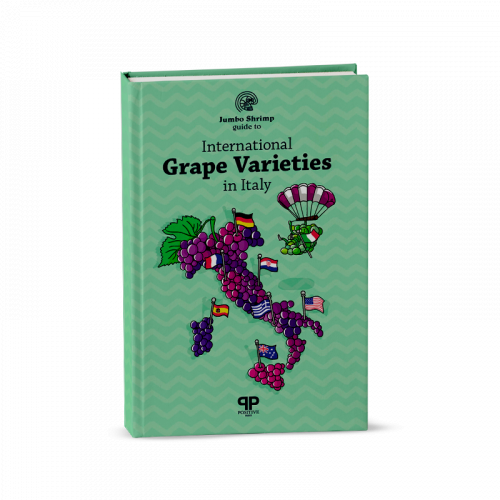
A guide to the best Italian wines made from international grape varieties, written by Attilio Scienza, Rebecca Lawrence and Jacopo Fanciulli. Jumbo Shrimp Guide to International Grape Varieties in Italy was created through the collaboration of three authors who realized that, in the study of lesser-known varieties and the search for lesser-known wines, many great grapes, appellations and wines are overlooked by recent Italian wine literature. It is true that Italy has more than 500 native grape varieties registered nationally, but it is also true that in many Italian regions some of the best wines are made from international varieties. The team wanted to explore this subject for the first time in a dedicated book, examining not only the wines made from these grapes, but also their history in the country, their rise in popularity and how they are growing. Obviously, the book begins with a discussion of what makes a grape international! In addition, the team felt it important to include pages dedicated to how wines made from international varieties in Italy can be distinguished from those produced elsewhere. Consequently, this book is intended to be enjoyed by the casual consumer, but it is also a useful tool for students and more experienced tasters. All of this is, of course, conceived in the typical Jumbo Shrimp guide style: key information is presented accessibly and entertainingly and does not have to be approached chronologically; readers can follow the order they prefer. Language: English Pages: 128
Price including VAT