Each product available on the platform is listed and sold by a partner seller identified on the product page. The platform acts as a metasearch/marketplace: it facilitates discovery and checkout, but the sale is made by the seller, who becomes responsible for the transaction.
Shipping is managed directly by the partner seller. The package is sent from the seller's warehouse or logistics network and handed over to the courier. This model enables more efficient deliveries and ensures that order management is handled by the party with actual availability of the product.
On the product page, you will find ingredients, allergens and nutritional information based on the data provided by the seller or producer, namely the official label. If you have allergies or intolerances, we recommend carefully checking the product page before purchasing and contacting the seller with any specific questions.
The platform was created to promote Italian food and make it more accessible. We select sellers in the food e-commerce sector with consistent catalogs and transparent information. Each product is associated with an identifiable seller and a complete information page: we want shopping here to mean buying with confidence.
Delivery times and costs depend on the seller and destination. At checkout, you will always find an updated delivery estimate before confirming payment. For international shipments, times may vary depending on the country and courier.
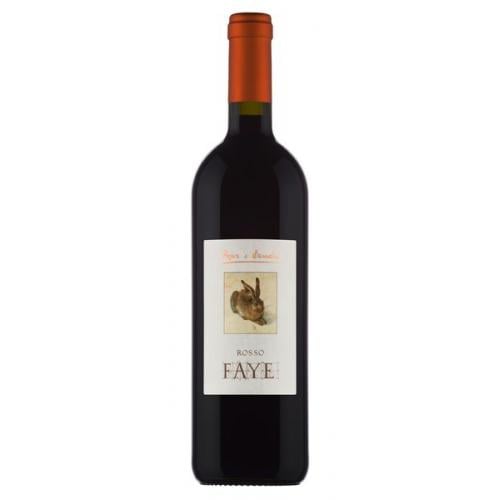
The Faye Rosso Vigneti delle Dolomiti IGT Riserva 2016 by Pojer e Sandri is one of the leading wines of the Trentino winery. Grapes used: Cabernet Sauvignon 50%, Cabernet Franc–Merlot–Lagrein for the remaining 50%. Geographical location of the vineyard: on the Faedo alluvial fan in the cadastral municipality of San Michele a/A, in the Paradisot area at 250 m above sea level, facing south–southwest; a fairly windy position due to the influence of the Ora del Garda (a wind originating from the nearby large lake). Training system: “open Trentino pergola” with 8,000 vines per hectare. Soil type: from a geomorphological point of view, Faedo lies between the Permian formation of the porphyry platform (volcanic rock) and the Werfenian deposits of sandstones, siltstones, marls, limestones and dolomites. The soil varies in depth from 30 to 100 cm, is silty-calcareous and rests on marly conglomerate. Production notes: fermentation in wooden vats, ageing in small new oak casks for approximately one year and bottle refinement for 12 months before marketing. Alcohol content: 14%. Expected lifespan of the wine: 10–20 years and more.
Price including VAT
The Faye Rosso Vigneti delle Dolomiti IGT Riserva 2016 by Pojer e Sandri is one of the leading wines of the Trentino winery. Grapes used: Cabernet Sauvignon 50%, Cabernet Franc–Merlot–Lagrein for the remaining 50%. Geographical location of the vineyard: on the Faedo alluvial fan in the cadastral municipality of San Michele a/A, in the Paradisot area at 250 m above sea level, facing south–southwest; a fairly windy position due to the influence of the Ora del Garda (a wind originating from the nearby large lake). Training system: “open Trentino pergola” with 8,000 vines per hectare. Soil type: from a geomorphological point of view, Faedo lies between the Permian formation of the porphyry platform (volcanic rock) and the Werfenian deposits of sandstones, siltstones, marls, limestones and dolomites. The soil varies in depth from 30 to 100 cm, is silty-calcareous and rests on marly conglomerate. Production notes: fermentation in wooden vats, ageing in small new oak casks for approximately one year and bottle refinement for 12 months before marketing. Alcohol content: 14%. Expected lifespan of the wine: 10–20 years and more.