Each product available on the platform is listed and sold by a partner seller identified on the product page. The platform acts as a metasearch/marketplace: it facilitates discovery and checkout, but the sale is made by the seller, who becomes responsible for the transaction.
Shipping is managed directly by the partner seller. The package is sent from the seller's warehouse or logistics network and handed over to the courier. This model enables more efficient deliveries and ensures that order management is handled by the party with actual availability of the product.
On the product page, you will find ingredients, allergens and nutritional information based on the data provided by the seller or producer, namely the official label. If you have allergies or intolerances, we recommend carefully checking the product page before purchasing and contacting the seller with any specific questions.
The platform was created to promote Italian food and make it more accessible. We select sellers in the food e-commerce sector with consistent catalogs and transparent information. Each product is associated with an identifiable seller and a complete information page: we want shopping here to mean buying with confidence.
Delivery times and costs depend on the seller and destination. At checkout, you will always find an updated delivery estimate before confirming payment. For international shipments, times may vary depending on the country and courier.
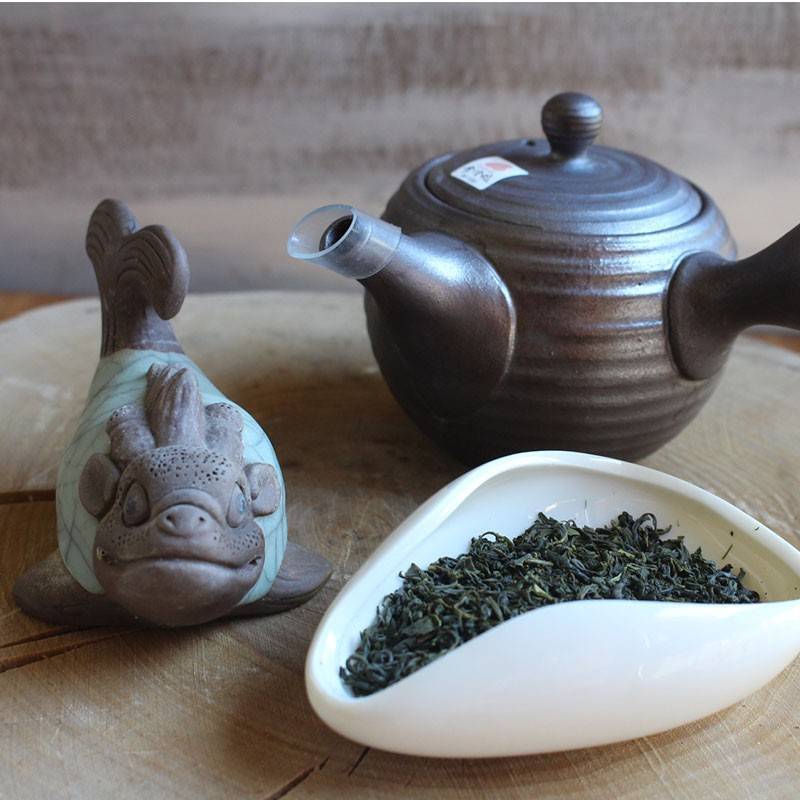
Handmade Tokoname Kyusu teapot made in Tokoname, Japan, with a steel filter that can be removed and washed separately. Hand wash only with lukewarm water, without detergents. Tokoname ceramics have a very ancient history. Tokoname is one of the six oldest centers of Japanese ceramics. Tokoname is home to some of Japan's oldest workshops (kilns). As early as the 8th century, during the Nara period (710–794), potters in the Tokoname area built urns for Buddhist sutras, but the 12th century is officially considered the time when Tokoname ceramics originated. The clay extracted in this area has a high iron content and, during firing, takes on a red-red color called “shudei.” The “Nerikomi” technique, which mixes different types of clay before firing, is often used in Tokoname products. Tokoname clay with its high iron content is ideal for making kyusu, traditional Japanese teapots. The iron oxides react with the tannins in green tea, adding astringency to the tea and softening that astringency. Tokoname clay is very fine, so kyusu are often decorated with hand-carved engravings. Tokoname ceramics are known for their red clay teapots. The first red clay kettle was made in Tokoname in 1854 by master Sugie Jumon. Yixing ceramics from China had a major influence on the Tokoname style. The clay extracted in Tokoname is similar in its mineral composition to the clay from the Yixing area.
Price including VAT
Handmade Tokoname Kyusu teapot made in Tokoname, Japan, with a steel filter that can be removed and washed separately. Hand wash only with lukewarm water, without detergents. Tokoname ceramics have a very ancient history. Tokoname is one of the six oldest centers of Japanese ceramics. Tokoname is home to some of Japan's oldest workshops (kilns). As early as the 8th century, during the Nara period (710–794), potters in the Tokoname area built urns for Buddhist sutras, but the 12th century is officially considered the time when Tokoname ceramics originated. The clay extracted in this area has a high iron content and, during firing, takes on a red-red color called “shudei.” The “Nerikomi” technique, which mixes different types of clay before firing, is often used in Tokoname products. Tokoname clay with its high iron content is ideal for making kyusu, traditional Japanese teapots. The iron oxides react with the tannins in green tea, adding astringency to the tea and softening that astringency. Tokoname clay is very fine, so kyusu are often decorated with hand-carved engravings. Tokoname ceramics are known for their red clay teapots. The first red clay kettle was made in Tokoname in 1854 by master Sugie Jumon. Yixing ceramics from China had a major influence on the Tokoname style. The clay extracted in Tokoname is similar in its mineral composition to the clay from the Yixing area.