Each product available on the platform is listed and sold by a partner seller identified on the product page. The platform acts as a metasearch/marketplace: it facilitates discovery and checkout, but the sale is made by the seller, who becomes responsible for the transaction.
Shipping is managed directly by the partner seller. The package is sent from the seller's warehouse or logistics network and handed over to the courier. This model enables more efficient deliveries and ensures that order management is handled by the party with actual availability of the product.
On the product page, you will find ingredients, allergens and nutritional information based on the data provided by the seller or producer, namely the official label. If you have allergies or intolerances, we recommend carefully checking the product page before purchasing and contacting the seller with any specific questions.
The platform was created to promote Italian food and make it more accessible. We select sellers in the food e-commerce sector with consistent catalogs and transparent information. Each product is associated with an identifiable seller and a complete information page: we want shopping here to mean buying with confidence.
Delivery times and costs depend on the seller and destination. At checkout, you will always find an updated delivery estimate before confirming payment. For international shipments, times may vary depending on the country and courier.
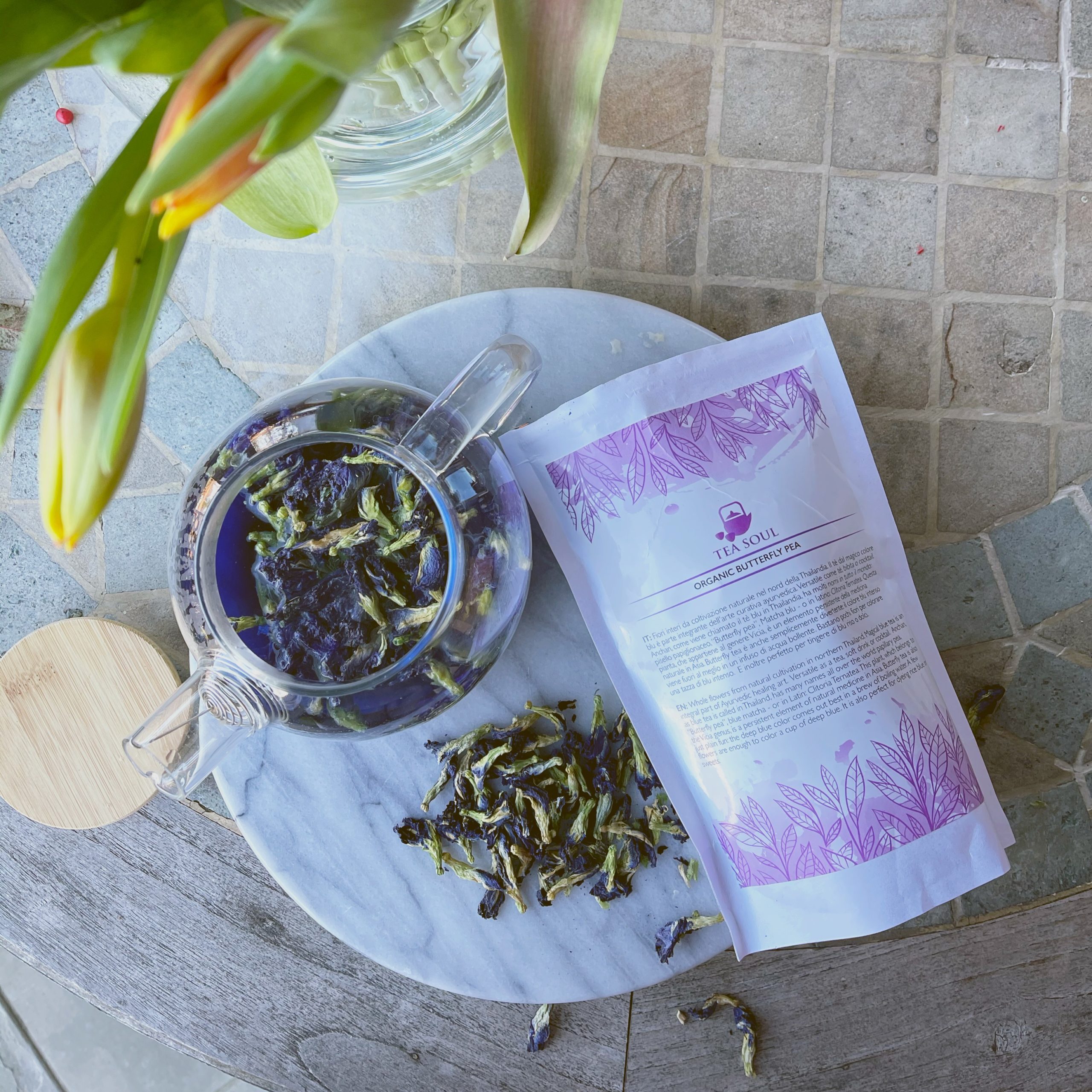
Butterfly Pea Flower is a flower originating from Southeast Asia. Simply immerse the flowers in hot water and you will obtain an infusion with a wonderful bright blue colour. Its splendid colour is used as a natural food colouring: it colours rice, desserts or smoothies in an intelligent and healthy way. Try Butterfly Pea Flower in powder form too: a surprising blue matcha! Appearance and aroma: Butterfly Pea Flower is presented as elegant whole, elongated buds, with electric-blue petals and indigo shades ending in a delicate, light-green bell-shaped calyx. Once infused, these natural flowers release a sweet, vegetal fragrance, with notes reminiscent of fresh broad beans and pea cream. In the cup, the liquor has an intense, brilliant blue colour and is completely transparent. A surprising effect is obtained by adding a few drops of lemon: the colour visibly changes from blue to violet and then pink, making the infusion spectacular to look at as well. Tasting notes: Butterfly Pea Flower infusion has a sweet and smooth flavour, similar to broad bean purée and pea cream, with a slightly herbaceous finish but no astringency. The body is medium in density, fresh and velvety on the palate, leaving a pleasant, natural vegetal aftertaste. This flower is appreciated not only for its aromatic profile, but also for its creative use in cocktails, herbal teas and naturally coloured preparations. BENEFITS: DOES NOT CONTAIN THEINE. Blue Matcha or Butterfly Pea Flower has many benefits you will love! Stress relief: proanthocyanidin is an antioxidant, increases blood flow in the capillaries and has sedative and calming properties; hair: bioflavonoids thicken the hair structure and prevent the appearance of grey hair; skin: antioxidants stimulate the synthesis of collagen and elastin, helping to regenerate the skin; aphrodisiac: traditionally used in Thailand as an aphrodisiac flower, it is also used to relieve menstrual pain. Aesthetic feature: blue matcha has a very light floral-herbaceous flavour. It is an excellent natural colouring and will be perfect for your drinks or culinary preparations. When you add lemon to matcha, the colour changes from sky blue to dark purple! Our Blue Matcha contains neither tea nor artificial colourings or other additives. The Butterfly Pea Flower plant, Clitoria Ternatea L’Anchan, as this blue flower is called in Thailand, has many different names around the world: butterfly pea, “Butterfly pea”, blue Matcha or, in Latin, Clitoria Ternatea. This plant, which belongs to the Vicia genus, is a longstanding component of natural medicine in Asia. Its positive effects are attributed to its flowers and roots. In Ayurvedic medicine, the infusion obtained from this blue flower is used to improve memory, combat stress and stimulate mood. But Anchan is also simply fun: its intense blue colour emerges best when infused in boiling water in a glass container. Just a few flowers are enough to colour a cup deep blue: children love it as a refreshing drink with a bright blue colour! A splash of lemon, or another drink with an acidic pH, colours the tea purple, while alkaline additives make it shine green.
Price including VAT
Butterfly Pea Flower is a flower originating from Southeast Asia. Simply immerse the flowers in hot water and you will obtain an infusion with a wonderful bright blue colour. Its splendid colour is used as a natural food colouring: it colours rice, desserts or smoothies in an intelligent and healthy way. Try Butterfly Pea Flower in powder form too: a surprising blue matcha! Appearance and aroma: Butterfly Pea Flower is presented as elegant whole, elongated buds, with electric-blue petals and indigo shades ending in a delicate, light-green bell-shaped calyx. Once infused, these natural flowers release a sweet, vegetal fragrance, with notes reminiscent of fresh broad beans and pea cream. In the cup, the liquor has an intense, brilliant blue colour and is completely transparent. A surprising effect is obtained by adding a few drops of lemon: the colour visibly changes from blue to violet and then pink, making the infusion spectacular to look at as well. Tasting notes: Butterfly Pea Flower infusion has a sweet and smooth flavour, similar to broad bean purée and pea cream, with a slightly herbaceous finish but no astringency. The body is medium in density, fresh and velvety on the palate, leaving a pleasant, natural vegetal aftertaste. This flower is appreciated not only for its aromatic profile, but also for its creative use in cocktails, herbal teas and naturally coloured preparations. BENEFITS: DOES NOT CONTAIN THEINE. Blue Matcha or Butterfly Pea Flower has many benefits you will love! Stress relief: proanthocyanidin is an antioxidant, increases blood flow in the capillaries and has sedative and calming properties; hair: bioflavonoids thicken the hair structure and prevent the appearance of grey hair; skin: antioxidants stimulate the synthesis of collagen and elastin, helping to regenerate the skin; aphrodisiac: traditionally used in Thailand as an aphrodisiac flower, it is also used to relieve menstrual pain. Aesthetic feature: blue matcha has a very light floral-herbaceous flavour. It is an excellent natural colouring and will be perfect for your drinks or culinary preparations. When you add lemon to matcha, the colour changes from sky blue to dark purple! Our Blue Matcha contains neither tea nor artificial colourings or other additives. The Butterfly Pea Flower plant, Clitoria Ternatea L’Anchan, as this blue flower is called in Thailand, has many different names around the world: butterfly pea, “Butterfly pea”, blue Matcha or, in Latin, Clitoria Ternatea. This plant, which belongs to the Vicia genus, is a longstanding component of natural medicine in Asia. Its positive effects are attributed to its flowers and roots. In Ayurvedic medicine, the infusion obtained from this blue flower is used to improve memory, combat stress and stimulate mood. But Anchan is also simply fun: its intense blue colour emerges best when infused in boiling water in a glass container. Just a few flowers are enough to colour a cup deep blue: children love it as a refreshing drink with a bright blue colour! A splash of lemon, or another drink with an acidic pH, colours the tea purple, while alkaline additives make it shine green.