Each product available on the platform is listed and sold by a partner seller identified on the product page. The platform acts as a metasearch/marketplace: it facilitates discovery and checkout, but the sale is made by the seller, who becomes responsible for the transaction.
Shipping is managed directly by the partner seller. The package is sent from the seller's warehouse or logistics network and handed over to the courier. This model enables more efficient deliveries and ensures that order management is handled by the party with actual availability of the product.
On the product page, you will find ingredients, allergens and nutritional information based on the data provided by the seller or producer, namely the official label. If you have allergies or intolerances, we recommend carefully checking the product page before purchasing and contacting the seller with any specific questions.
The platform was created to promote Italian food and make it more accessible. We select sellers in the food e-commerce sector with consistent catalogs and transparent information. Each product is associated with an identifiable seller and a complete information page: we want shopping here to mean buying with confidence.
Delivery times and costs depend on the seller and destination. At checkout, you will always find an updated delivery estimate before confirming payment. For international shipments, times may vary depending on the country and courier.
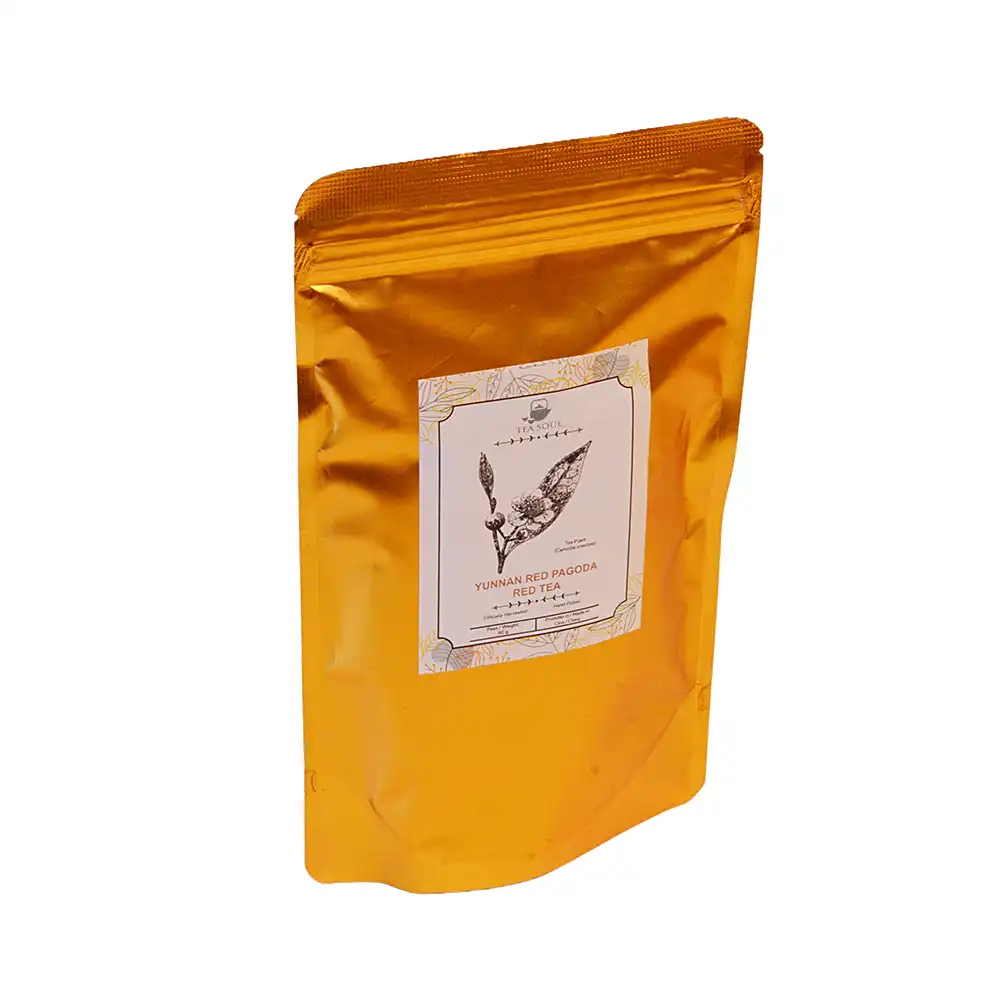
Yunnan Red Pagoda Red (Black) Tea takes its name from its distinctive shape. Selected tea leaves are manually tied and processed into a structure resembling a pagoda, the characteristic multi-level towers of Asian architecture. When immersed in hot water, the pagoda gradually opens, allowing the leaves to be observed during infusion. The infusion is deep amber with a sweet, enveloping aroma and notes of caramel and honey. The taste is soft and velvety, with a malty profile and delicate sweetness. The pagoda shape is also a decorative element connected with Chinese tea culture and craftsmanship. Origin and tradition Yunnan is one of China’s historically most important tea-producing regions, with over 2,000 years of tea culture. Its humid climate and biodiversity favour tea cultivation. The leaves come from the Yunnan Large Leaf variety and undergo withering, rolling, oxidation and drying before being shaped by hand into the characteristic pagoda form. Aroma and taste The infusion is clear, bright and deep red. Its sweet, enveloping aroma is dominated by honey notes. On the palate it is soft and velvety, balancing sweetness and delicacy, with a persistent aftertaste. Place of origin: Yunnan, China Infusion method We strongly recommend the traditional Chinese Gong Fu Cha method with a Gaiwan of approximately 100 ml. Use 5 g of leaves for multiple infusions. Rinse briefly with water at 95 °C, then infuse for 10 seconds; continue at the same temperature, adding water and increasing each infusion by about 5 seconds (15–20–25…). For the Western style, use 3 g of leaves in a 150 ml cup with water at 95 °C for 1.5 minutes. Strain after the recommended steeping time. Times may be adjusted to taste. Store in a cool, dry place away from direct sunlight. Features Hand-shaped leaves form a pagoda and open progressively during infusion. The profile combines malty, sweet, honeyed and caramelised notes with a soft, velvety structure.
Price including VAT
Yunnan Red Pagoda Red (Black) Tea takes its name from its distinctive shape. Selected tea leaves are manually tied and processed into a structure resembling a pagoda, the characteristic multi-level towers of Asian architecture. When immersed in hot water, the pagoda gradually opens, allowing the leaves to be observed during infusion. The infusion is deep amber with a sweet, enveloping aroma and notes of caramel and honey. The taste is soft and velvety, with a malty profile and delicate sweetness. The pagoda shape is also a decorative element connected with Chinese tea culture and craftsmanship. Origin and tradition Yunnan is one of China’s historically most important tea-producing regions, with over 2,000 years of tea culture. Its humid climate and biodiversity favour tea cultivation. The leaves come from the Yunnan Large Leaf variety and undergo withering, rolling, oxidation and drying before being shaped by hand into the characteristic pagoda form. Aroma and taste The infusion is clear, bright and deep red. Its sweet, enveloping aroma is dominated by honey notes. On the palate it is soft and velvety, balancing sweetness and delicacy, with a persistent aftertaste. Place of origin: Yunnan, China Infusion method We strongly recommend the traditional Chinese Gong Fu Cha method with a Gaiwan of approximately 100 ml. Use 5 g of leaves for multiple infusions. Rinse briefly with water at 95 °C, then infuse for 10 seconds; continue at the same temperature, adding water and increasing each infusion by about 5 seconds (15–20–25…). For the Western style, use 3 g of leaves in a 150 ml cup with water at 95 °C for 1.5 minutes. Strain after the recommended steeping time. Times may be adjusted to taste. Store in a cool, dry place away from direct sunlight. Features Hand-shaped leaves form a pagoda and open progressively during infusion. The profile combines malty, sweet, honeyed and caramelised notes with a soft, velvety structure.