Each product available on the platform is listed and sold by a partner seller identified on the product page. The platform acts as a metasearch/marketplace: it facilitates discovery and checkout, but the sale is made by the seller, who becomes responsible for the transaction.
Shipping is managed directly by the partner seller. The package is sent from the seller's warehouse or logistics network and handed over to the courier. This model enables more efficient deliveries and ensures that order management is handled by the party with actual availability of the product.
On the product page, you will find ingredients, allergens and nutritional information based on the data provided by the seller or producer, namely the official label. If you have allergies or intolerances, we recommend carefully checking the product page before purchasing and contacting the seller with any specific questions.
The platform was created to promote Italian food and make it more accessible. We select sellers in the food e-commerce sector with consistent catalogs and transparent information. Each product is associated with an identifiable seller and a complete information page: we want shopping here to mean buying with confidence.
Delivery times and costs depend on the seller and destination. At checkout, you will always find an updated delivery estimate before confirming payment. For international shipments, times may vary depending on the country and courier.
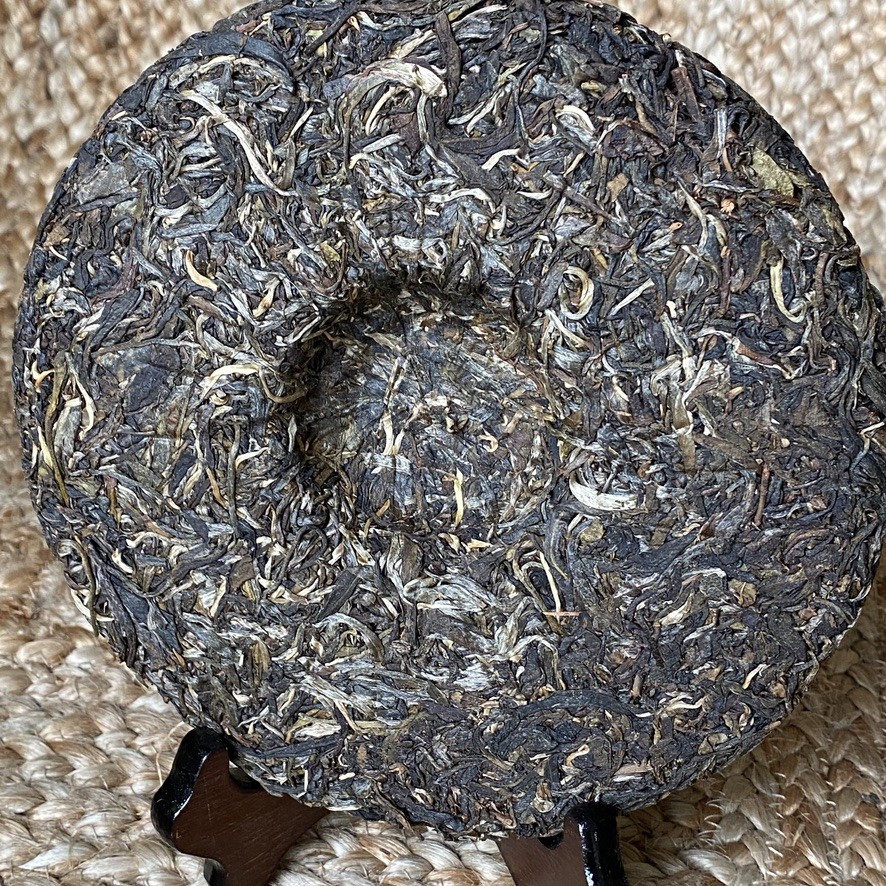
The leaves of this Puer come from the Bulang area in southern China. This tea was produced in spring 2012 in the central part of Yunnan, famous for Puer production. Puer Sheng (raw) Bu Lang Yin Hao is made from Silver Needle tea leaves picked from tea trees more than 300 years old in the Bulang mountains, at an average altitude of about 1,220 m. This tea is traditionally stone-pressed. It has the typical characteristics of Bulang tea: bitterness, with a touch of honey and some astringency. Place of origin: Bulang Mountains, China Production After harvesting, the leaves are sun-withered, then undergo the “kill-green” stage. They are heated less than green tea leaves, preserving enzymes that can alter the flavours over time. After cooking, the leaves rest overnight before completing their sun-drying. The resulting maocha is pressed to improve transport and ageing. Steam softens the leaves externally, after which they are placed in a sack and tightly closed to give the desired shape. The sack is left for hours beneath a stone while the leaves lose the steam absorbed previously. Preparation We strongly recommend the traditional Chinese Gong Fu Cha method. Use 7 grams of leaves, about 4 teaspoons, in a 100 ml gaiwan. Rinse quickly with water at 95 °C, then infuse for 10 seconds, increasing each subsequent infusion by 5 seconds (10–15–20…). This tea lasts for about 8 infusions. For a classic Western preparation, use 3 grams of leaves, about 2 teaspoons, in a 150 ml cup with water at 95 °C for one and a half minutes. The tea may be filtered for easier tasting. Infusion times are indicative and may be adjusted to taste. Store in a cool, dry place away from direct sunlight.
Price including VAT
The leaves of this Puer come from the Bulang area in southern China. This tea was produced in spring 2012 in the central part of Yunnan, famous for Puer production. Puer Sheng (raw) Bu Lang Yin Hao is made from Silver Needle tea leaves picked from tea trees more than 300 years old in the Bulang mountains, at an average altitude of about 1,220 m. This tea is traditionally stone-pressed. It has the typical characteristics of Bulang tea: bitterness, with a touch of honey and some astringency. Place of origin: Bulang Mountains, China Production After harvesting, the leaves are sun-withered, then undergo the “kill-green” stage. They are heated less than green tea leaves, preserving enzymes that can alter the flavours over time. After cooking, the leaves rest overnight before completing their sun-drying. The resulting maocha is pressed to improve transport and ageing. Steam softens the leaves externally, after which they are placed in a sack and tightly closed to give the desired shape. The sack is left for hours beneath a stone while the leaves lose the steam absorbed previously. Preparation We strongly recommend the traditional Chinese Gong Fu Cha method. Use 7 grams of leaves, about 4 teaspoons, in a 100 ml gaiwan. Rinse quickly with water at 95 °C, then infuse for 10 seconds, increasing each subsequent infusion by 5 seconds (10–15–20…). This tea lasts for about 8 infusions. For a classic Western preparation, use 3 grams of leaves, about 2 teaspoons, in a 150 ml cup with water at 95 °C for one and a half minutes. The tea may be filtered for easier tasting. Infusion times are indicative and may be adjusted to taste. Store in a cool, dry place away from direct sunlight.