Each product available on the platform is listed and sold by a partner seller identified on the product page. The platform acts as a metasearch/marketplace: it facilitates discovery and checkout, but the sale is made by the seller, who becomes responsible for the transaction.
Shipping is managed directly by the partner seller. The package is sent from the seller's warehouse or logistics network and handed over to the courier. This model enables more efficient deliveries and ensures that order management is handled by the party with actual availability of the product.
On the product page, you will find ingredients, allergens and nutritional information based on the data provided by the seller or producer, namely the official label. If you have allergies or intolerances, we recommend carefully checking the product page before purchasing and contacting the seller with any specific questions.
The platform was created to promote Italian food and make it more accessible. We select sellers in the food e-commerce sector with consistent catalogs and transparent information. Each product is associated with an identifiable seller and a complete information page: we want shopping here to mean buying with confidence.
Delivery times and costs depend on the seller and destination. At checkout, you will always find an updated delivery estimate before confirming payment. For international shipments, times may vary depending on the country and courier.
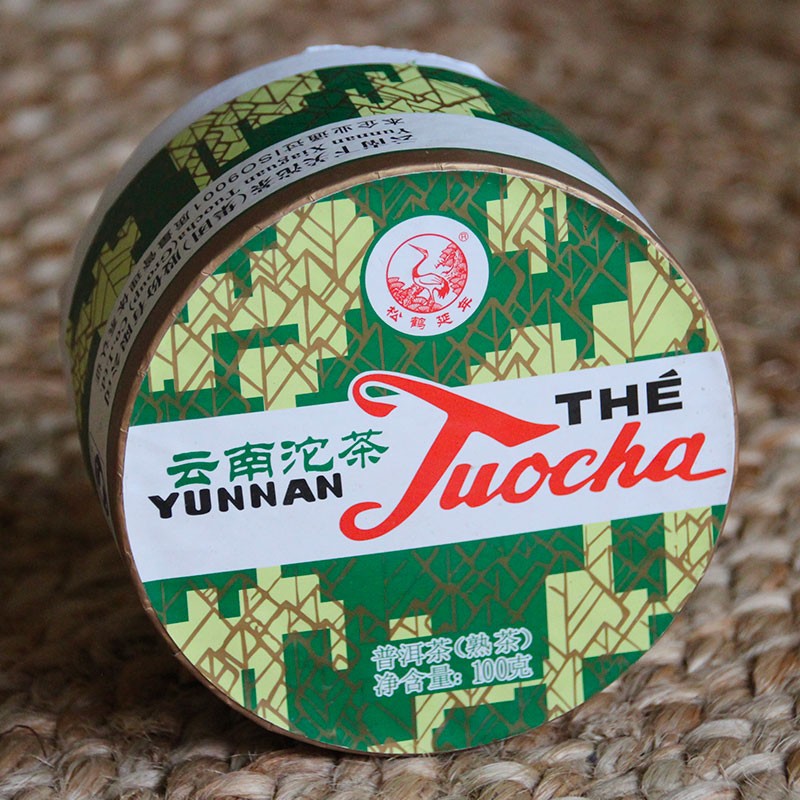
France Tuocha shu (ripe) puer tea was harvested in 2009, pressed and packaged in 2017. It comes from the famous Chinese factory Xiaguan, which blends and presses different maocha teas from across Yunnan according to its recipes, creating products with a unique and complex flavor. The factory was founded in 1941 near Dali and has long used the tuocha bowl-shaped format to press its leaves. This tuocha is called France because, during its first years of export to Europe, it conquered the French market with its full-bodied infusion and persistent sweetness. It begins with a mineral note reminiscent of limestone, then develops a creamy sweetness in the throat, similar to that obtained by boiling fleshy herbs for a long time. A light vegetal note reminiscent of a pine forest appears later. Origin: Yunnan, China Production After harvesting, the leaves wither in the sun before the kill-green stage. They are heated less than green tea leaves, preserving enzymes that alter the flavor over time. The cooked leaves are then piled into large heaps, moistened and covered with cloths to retain heat and begin fermentation. They are regularly moved and lightly watered so fermentation progresses evenly. This process lasts 20 to 70 days. The leaves are then spread out and exposed to air so the microorganisms dry and die. To press the puer, the leaves are softened with steam, placed in a sock or bag to form the product, and pressed under a stone or mechanical press until the shape remains fixed. Preparation Use the traditional Chinese method (Gong Fu Cha) with a gaiwan of approximately 150ml and 5g of leaves. Heat water to 95 °C, briefly rinse the leaves, then infuse for 15 seconds. Continue with the same leaves, increasing the time by 5 seconds each time (15–20–25…). This tea lasts for about 6 infusions. For Western-style preparation, use 3g of leaves in a 200ml cup with water at 95 °C for 2–3 minutes. Strain after infusion. Times may be adjusted for a stronger or milder taste. Store in a cool, dry place away from direct sunlight.
Price including VAT
France Tuocha shu (ripe) puer tea was harvested in 2009, pressed and packaged in 2017. It comes from the famous Chinese factory Xiaguan, which blends and presses different maocha teas from across Yunnan according to its recipes, creating products with a unique and complex flavor. The factory was founded in 1941 near Dali and has long used the tuocha bowl-shaped format to press its leaves. This tuocha is called France because, during its first years of export to Europe, it conquered the French market with its full-bodied infusion and persistent sweetness. It begins with a mineral note reminiscent of limestone, then develops a creamy sweetness in the throat, similar to that obtained by boiling fleshy herbs for a long time. A light vegetal note reminiscent of a pine forest appears later. Origin: Yunnan, China Production After harvesting, the leaves wither in the sun before the kill-green stage. They are heated less than green tea leaves, preserving enzymes that alter the flavor over time. The cooked leaves are then piled into large heaps, moistened and covered with cloths to retain heat and begin fermentation. They are regularly moved and lightly watered so fermentation progresses evenly. This process lasts 20 to 70 days. The leaves are then spread out and exposed to air so the microorganisms dry and die. To press the puer, the leaves are softened with steam, placed in a sock or bag to form the product, and pressed under a stone or mechanical press until the shape remains fixed. Preparation Use the traditional Chinese method (Gong Fu Cha) with a gaiwan of approximately 150ml and 5g of leaves. Heat water to 95 °C, briefly rinse the leaves, then infuse for 15 seconds. Continue with the same leaves, increasing the time by 5 seconds each time (15–20–25…). This tea lasts for about 6 infusions. For Western-style preparation, use 3g of leaves in a 200ml cup with water at 95 °C for 2–3 minutes. Strain after infusion. Times may be adjusted for a stronger or milder taste. Store in a cool, dry place away from direct sunlight.