Each product available on the platform is listed and sold by a partner seller identified on the product page. The platform acts as a metasearch/marketplace: it facilitates discovery and checkout, but the sale is made by the seller, who becomes responsible for the transaction.
Shipping is managed directly by the partner seller. The package is sent from the seller's warehouse or logistics network and handed over to the courier. This model enables more efficient deliveries and ensures that order management is handled by the party with actual availability of the product.
On the product page, you will find ingredients, allergens and nutritional information based on the data provided by the seller or producer, namely the official label. If you have allergies or intolerances, we recommend carefully checking the product page before purchasing and contacting the seller with any specific questions.
The platform was created to promote Italian food and make it more accessible. We select sellers in the food e-commerce sector with consistent catalogs and transparent information. Each product is associated with an identifiable seller and a complete information page: we want shopping here to mean buying with confidence.
Delivery times and costs depend on the seller and destination. At checkout, you will always find an updated delivery estimate before confirming payment. For international shipments, times may vary depending on the country and courier.
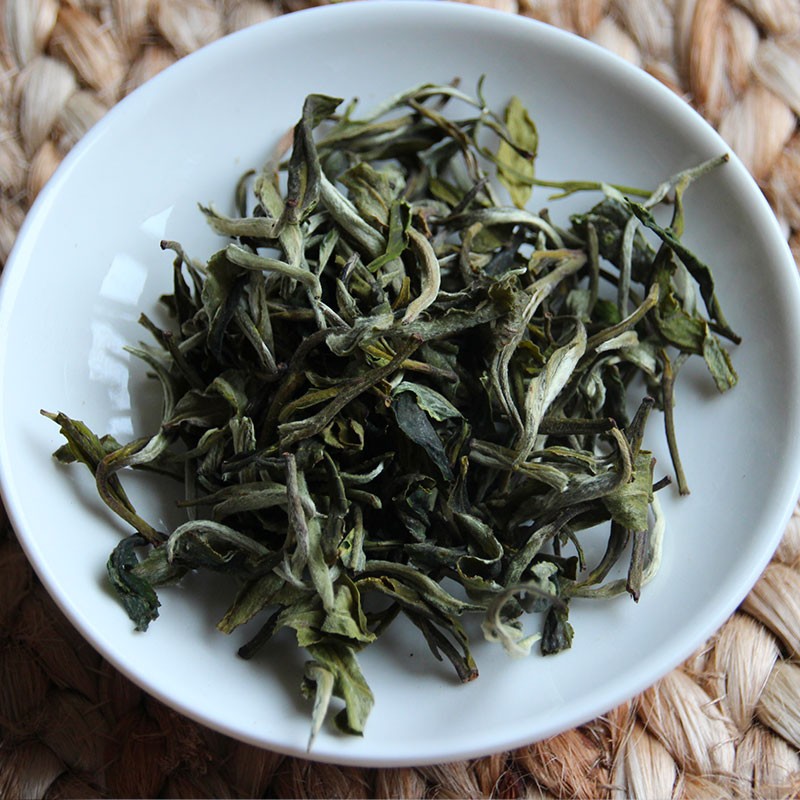
Silver Peony Yinhao Green Tea has characteristics reminiscent of both white and green teas. The leaf selection recalls that used for Bai Mu Dan: in addition to the first two apical leaves, there are larger leaves and numerous well-developed buds. The processing, however, follows the typical steps for green teas. The tea originates in Yunnan, but during leaf stabilization it is exposed to high heat, similar to that used to produce several green teas from eastern China. This stops oxidation and produces a stable tea, unlike Puer Sheng, which can evolve during storage. The result is a particularly complex aromatic profile. The thick leaves typical of Yunnan varieties develop intense vegetal notes accompanied by a soft, almost oily sensation on the palate. Sweeter, delicate nuances of honey and wildflowers then emerge, recalling in some respects the aromatic profile of Bai Mu Dan. Tasting – Appearance and aroma The leaves are slightly rolled, with some areas showing little shaping. Their color ranges from green to ochre, with numerous silvery buds covered in fine white down. After infusion they release fresh, delicate vegetal aromas, accompanied by notes of honey and wildflowers reminiscent of those found in some white teas such as Bai Mu Dan. The liquor is pale yellow with delicate pink reflections. The palate shows a medium-dense, soft body, with a pleasant almost oily component and no marked bitterness or astringency. Tasting Notes GONG FU CHA The first infusion is very delicate, with vegetal sweetness reminiscent of fresh grass and young peas, along with subtle sugary and floral scents. In the second gaiwan infusion, the tea gains character, revealing notes of baked thistle and boiled fennel, acacia honey and more intense wildflower aromas. The third and later infusions reveal woodland notes for the first time: bark and an almost balsamic freshness, accompanied by very mild citrus acidity. WESTERN STYLE The first notes are sweet white sugar and sulla honey, suggesting a white tea more than a green tea. Sweet vegetal scents of bamboo shoots emerge, followed by fresh notes of newly cut young grass, evolving into floral notes reminiscent of meadow flowers and wild mountain shrubs. The finish is marked by sweet vegetal scents, followed a moment later by an almost surprising floral note. Origin Yunnan, China. Production Processing begins with outdoor withering, followed by stabilization in a wok, where the leaves are exposed to temperatures of approximately 180 °C. The heat rapidly reduces the enzymatic activity responsible for oxidation, preserving the fresh, vegetal character of the raw material. The leaves are then shaped and left to rest so that they can lose more of their residual moisture. Preparation We strongly recommend the traditional Chinese method (Gong Fu Cha). Use 4.5 grams of leaves (approximately 3 teaspoons) in a gaiwan of about 100 ml to obtain multiple infusions with different flavor profiles. After quickly rinsing the leaves in water at 85 °C, infuse for 10 seconds. Keeping the water at the same temperature, continue with multiple infusions, increasing the time by 5 seconds each time (10–15–20...). This tea can provide approximately 6 infusions. For a classic Western-style preparation, use 2 grams of leaves (approximately 1 teaspoon) in a 150 ml cup, with water at 85 °C for 1½ minutes. The tea may be strained for easier tasting. The infusion times given above are purely indicative and may be adjusted according to personal taste. Store in a cool, dry place away from direct sunlight.
Price including VAT
Silver Peony Yinhao Green Tea has characteristics reminiscent of both white and green teas. The leaf selection recalls that used for Bai Mu Dan: in addition to the first two apical leaves, there are larger leaves and numerous well-developed buds. The processing, however, follows the typical steps for green teas. The tea originates in Yunnan, but during leaf stabilization it is exposed to high heat, similar to that used to produce several green teas from eastern China. This stops oxidation and produces a stable tea, unlike Puer Sheng, which can evolve during storage. The result is a particularly complex aromatic profile. The thick leaves typical of Yunnan varieties develop intense vegetal notes accompanied by a soft, almost oily sensation on the palate. Sweeter, delicate nuances of honey and wildflowers then emerge, recalling in some respects the aromatic profile of Bai Mu Dan. Tasting – Appearance and aroma The leaves are slightly rolled, with some areas showing little shaping. Their color ranges from green to ochre, with numerous silvery buds covered in fine white down. After infusion they release fresh, delicate vegetal aromas, accompanied by notes of honey and wildflowers reminiscent of those found in some white teas such as Bai Mu Dan. The liquor is pale yellow with delicate pink reflections. The palate shows a medium-dense, soft body, with a pleasant almost oily component and no marked bitterness or astringency. Tasting Notes GONG FU CHA The first infusion is very delicate, with vegetal sweetness reminiscent of fresh grass and young peas, along with subtle sugary and floral scents. In the second gaiwan infusion, the tea gains character, revealing notes of baked thistle and boiled fennel, acacia honey and more intense wildflower aromas. The third and later infusions reveal woodland notes for the first time: bark and an almost balsamic freshness, accompanied by very mild citrus acidity. WESTERN STYLE The first notes are sweet white sugar and sulla honey, suggesting a white tea more than a green tea. Sweet vegetal scents of bamboo shoots emerge, followed by fresh notes of newly cut young grass, evolving into floral notes reminiscent of meadow flowers and wild mountain shrubs. The finish is marked by sweet vegetal scents, followed a moment later by an almost surprising floral note. Origin Yunnan, China. Production Processing begins with outdoor withering, followed by stabilization in a wok, where the leaves are exposed to temperatures of approximately 180 °C. The heat rapidly reduces the enzymatic activity responsible for oxidation, preserving the fresh, vegetal character of the raw material. The leaves are then shaped and left to rest so that they can lose more of their residual moisture. Preparation We strongly recommend the traditional Chinese method (Gong Fu Cha). Use 4.5 grams of leaves (approximately 3 teaspoons) in a gaiwan of about 100 ml to obtain multiple infusions with different flavor profiles. After quickly rinsing the leaves in water at 85 °C, infuse for 10 seconds. Keeping the water at the same temperature, continue with multiple infusions, increasing the time by 5 seconds each time (10–15–20...). This tea can provide approximately 6 infusions. For a classic Western-style preparation, use 2 grams of leaves (approximately 1 teaspoon) in a 150 ml cup, with water at 85 °C for 1½ minutes. The tea may be strained for easier tasting. The infusion times given above are purely indicative and may be adjusted according to personal taste. Store in a cool, dry place away from direct sunlight.