Each product available on the platform is listed and sold by a partner seller identified on the product page. The platform acts as a metasearch/marketplace: it facilitates discovery and checkout, but the sale is made by the seller, who becomes responsible for the transaction.
Shipping is managed directly by the partner seller. The package is sent from the seller's warehouse or logistics network and handed over to the courier. This model enables more efficient deliveries and ensures that order management is handled by the party with actual availability of the product.
On the product page, you will find ingredients, allergens and nutritional information based on the data provided by the seller or producer, namely the official label. If you have allergies or intolerances, we recommend carefully checking the product page before purchasing and contacting the seller with any specific questions.
The platform was created to promote Italian food and make it more accessible. We select sellers in the food e-commerce sector with consistent catalogs and transparent information. Each product is associated with an identifiable seller and a complete information page: we want shopping here to mean buying with confidence.
Delivery times and costs depend on the seller and destination. At checkout, you will always find an updated delivery estimate before confirming payment. For international shipments, times may vary depending on the country and courier.
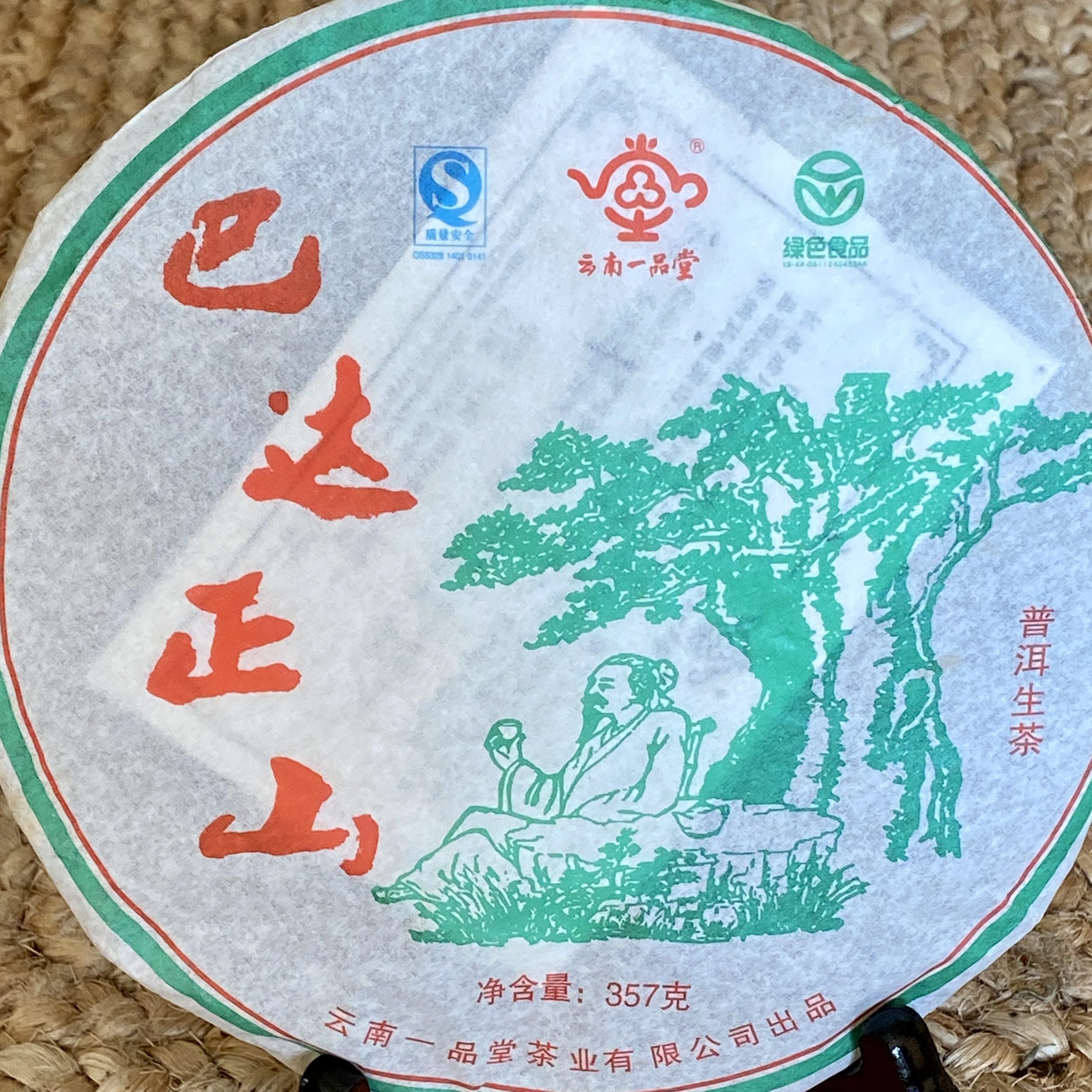
The leaves of Puer Sheng (raw) Ba Da Shan tea 2010 come from the Ba Da area in Yunnan, southern China. Understanding the origin of the leaves is important because, in most cases, the place of origin gives the tea its name and main sensory qualities. This Puer is mainly made from a harvest gathered in the mountainous Ba Da area in eastern Yunnan. The leaves were carefully selected and pressed in spring 2010 by Yunnan Yipintang Tea factory, located in Menghai County. Naming the factory highlights the particular style and research behind this Puer, developed by a group of tea masters to enhance its regional characteristics. This Puer is mainly characterised by woody and mineral flavours. A slightly smoky presence can already be perceived in the aroma of the leaves; in the infusion, together with the aromatic wood character, it becomes similar to incense. As tasting continues, a vegetal flavour of slightly fresh herbs, such as nettle, emerges, along with a mildly pungent mineral sensation at the back of the tongue. The aftertaste finally brings some sweetness combined with bitterness, overall giving the impression of tasting rhubarb. Place of origin: Ba Da – Yunnan, China Production After harvesting, the leaves are left to wither in the sun for a certain time, depending on the producer, before undergoing the “kill-green” stage, similar to that used for green tea. The leaves are not heated as much as for green tea, preserving enzymes capable of changing the flavours over time. Once cooked, the leaves rest overnight before completing their drying in the sun. At this stage the product is called maocha and is ready to be pressed, providing better conditions for transport and ageing. To press the leaves, they are exposed for a few seconds to a strong jet of steam, making them soft on the outside. They are then gathered in a sock or sack, which gives the product its usually disc-shaped form. To keep the structure fixed, the sack is left for hours beneath a stone or mechanical press while the leaves lose the residual moisture absorbed from the steam. Preparation We strongly recommend infusing this tea using the traditional Chinese method (Gong Fu Cha). Use 5.5 grams of leaves, approximately 3 teaspoons, in a gaiwan of about 100 ml to obtain several infusions with different flavours. After quickly rinsing the leaves in water at 100 °C, infuse for 10 seconds; keeping the water at the same temperature, increase the time by 5 seconds for each subsequent infusion (10–15–20…). This tea lasts for approximately 12 infusions. For a classic Western-style preparation, use 3 grams of leaves, approximately 2 teaspoons, in a 150 ml cup with water at 100 °C, infused for one and a half minutes. The tea may be filtered for easier tasting. The indicated times are purely suggestions and can be adjusted to personal taste. Store in a cool, dry place away from direct sunlight.
Price including VAT
The leaves of Puer Sheng (raw) Ba Da Shan tea 2010 come from the Ba Da area in Yunnan, southern China. Understanding the origin of the leaves is important because, in most cases, the place of origin gives the tea its name and main sensory qualities. This Puer is mainly made from a harvest gathered in the mountainous Ba Da area in eastern Yunnan. The leaves were carefully selected and pressed in spring 2010 by Yunnan Yipintang Tea factory, located in Menghai County. Naming the factory highlights the particular style and research behind this Puer, developed by a group of tea masters to enhance its regional characteristics. This Puer is mainly characterised by woody and mineral flavours. A slightly smoky presence can already be perceived in the aroma of the leaves; in the infusion, together with the aromatic wood character, it becomes similar to incense. As tasting continues, a vegetal flavour of slightly fresh herbs, such as nettle, emerges, along with a mildly pungent mineral sensation at the back of the tongue. The aftertaste finally brings some sweetness combined with bitterness, overall giving the impression of tasting rhubarb. Place of origin: Ba Da – Yunnan, China Production After harvesting, the leaves are left to wither in the sun for a certain time, depending on the producer, before undergoing the “kill-green” stage, similar to that used for green tea. The leaves are not heated as much as for green tea, preserving enzymes capable of changing the flavours over time. Once cooked, the leaves rest overnight before completing their drying in the sun. At this stage the product is called maocha and is ready to be pressed, providing better conditions for transport and ageing. To press the leaves, they are exposed for a few seconds to a strong jet of steam, making them soft on the outside. They are then gathered in a sock or sack, which gives the product its usually disc-shaped form. To keep the structure fixed, the sack is left for hours beneath a stone or mechanical press while the leaves lose the residual moisture absorbed from the steam. Preparation We strongly recommend infusing this tea using the traditional Chinese method (Gong Fu Cha). Use 5.5 grams of leaves, approximately 3 teaspoons, in a gaiwan of about 100 ml to obtain several infusions with different flavours. After quickly rinsing the leaves in water at 100 °C, infuse for 10 seconds; keeping the water at the same temperature, increase the time by 5 seconds for each subsequent infusion (10–15–20…). This tea lasts for approximately 12 infusions. For a classic Western-style preparation, use 3 grams of leaves, approximately 2 teaspoons, in a 150 ml cup with water at 100 °C, infused for one and a half minutes. The tea may be filtered for easier tasting. The indicated times are purely suggestions and can be adjusted to personal taste. Store in a cool, dry place away from direct sunlight.