Each product available on the platform is listed and sold by a partner seller identified on the product page. The platform acts as a metasearch/marketplace: it facilitates discovery and checkout, but the sale is made by the seller, who becomes responsible for the transaction.
Shipping is managed directly by the partner seller. The package is sent from the seller's warehouse or logistics network and handed over to the courier. This model enables more efficient deliveries and ensures that order management is handled by the party with actual availability of the product.
On the product page, you will find ingredients, allergens and nutritional information based on the data provided by the seller or producer, namely the official label. If you have allergies or intolerances, we recommend carefully checking the product page before purchasing and contacting the seller with any specific questions.
The platform was created to promote Italian food and make it more accessible. We select sellers in the food e-commerce sector with consistent catalogs and transparent information. Each product is associated with an identifiable seller and a complete information page: we want shopping here to mean buying with confidence.
Delivery times and costs depend on the seller and destination. At checkout, you will always find an updated delivery estimate before confirming payment. For international shipments, times may vary depending on the country and courier.
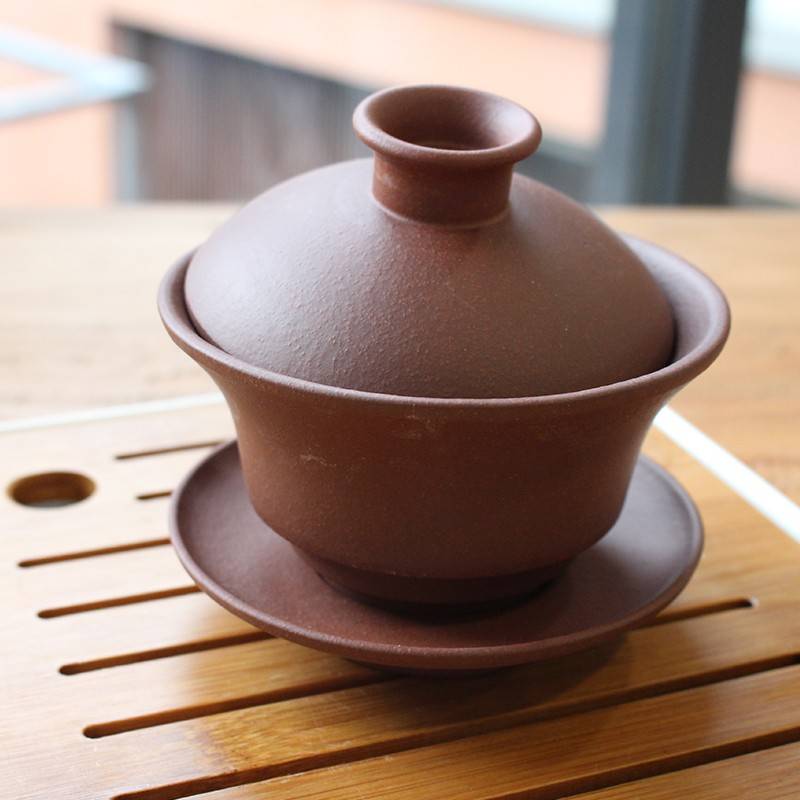
The Traditional Yixing Zisha clay gaiwan, 150 ml, is made from a particular Chinese clay called Yixing. Yixing accessories, known in China as Zi Sha Hu or “purple clay” accessories, are perhaps the most famous Chinese accessories. Traditional Yixing clay. They are named after a small city in Jiangsu Province, where a specific iron-mineral compound creates the unique color of these accessories. They were fired unglazed and used to prepare specific types of Oolong tea. Because of the porous nature of the clay, the gaiwan should be gradually seasoned by using it to infuse one type of tea. This seasoning was part of the reason for using Yixing accessories. Yixing gaiwans are intended for black (red) teas and Oolong, as well as aged Puer tea. They may also be used for green or white tea, but the water must be cooled to approximately 85°C before being poured into the vessel. Yixing gaiwans absorb a small amount of tea during preparation. After prolonged use, the gaiwan develops a layer that preserves the tea's flavor and color. For this reason, soap must not be used to clean Yixing gaiwans. Instead, rinse them with fresh water and leave them to air-dry. A knowledgeable tea connoisseur uses only one type of tea in a particular accessory, so as not to corrupt the absorbed flavor. Yi Xing, the city in eastern China, is famous for its purple-clay teapots and accessories. The teapot has numerous features, such as various types, exquisite design and perfectly hand-carved patterns. On the other hand, the ceramic teapot is the typical symbol associated with Yi Xing and has been renowned for decades.
Price including VAT
The Traditional Yixing Zisha clay gaiwan, 150 ml, is made from a particular Chinese clay called Yixing. Yixing accessories, known in China as Zi Sha Hu or “purple clay” accessories, are perhaps the most famous Chinese accessories. Traditional Yixing clay. They are named after a small city in Jiangsu Province, where a specific iron-mineral compound creates the unique color of these accessories. They were fired unglazed and used to prepare specific types of Oolong tea. Because of the porous nature of the clay, the gaiwan should be gradually seasoned by using it to infuse one type of tea. This seasoning was part of the reason for using Yixing accessories. Yixing gaiwans are intended for black (red) teas and Oolong, as well as aged Puer tea. They may also be used for green or white tea, but the water must be cooled to approximately 85°C before being poured into the vessel. Yixing gaiwans absorb a small amount of tea during preparation. After prolonged use, the gaiwan develops a layer that preserves the tea's flavor and color. For this reason, soap must not be used to clean Yixing gaiwans. Instead, rinse them with fresh water and leave them to air-dry. A knowledgeable tea connoisseur uses only one type of tea in a particular accessory, so as not to corrupt the absorbed flavor. Yi Xing, the city in eastern China, is famous for its purple-clay teapots and accessories. The teapot has numerous features, such as various types, exquisite design and perfectly hand-carved patterns. On the other hand, the ceramic teapot is the typical symbol associated with Yi Xing and has been renowned for decades.