Each product available on the platform is listed and sold by a partner seller identified on the product page. The platform acts as a metasearch/marketplace: it facilitates discovery and checkout, but the sale is made by the seller, who becomes responsible for the transaction.
Shipping is managed directly by the partner seller. The package is sent from the seller's warehouse or logistics network and handed over to the courier. This model enables more efficient deliveries and ensures that order management is handled by the party with actual availability of the product.
On the product page, you will find ingredients, allergens and nutritional information based on the data provided by the seller or producer, namely the official label. If you have allergies or intolerances, we recommend carefully checking the product page before purchasing and contacting the seller with any specific questions.
The platform was created to promote Italian food and make it more accessible. We select sellers in the food e-commerce sector with consistent catalogs and transparent information. Each product is associated with an identifiable seller and a complete information page: we want shopping here to mean buying with confidence.
Delivery times and costs depend on the seller and destination. At checkout, you will always find an updated delivery estimate before confirming payment. For international shipments, times may vary depending on the country and courier.
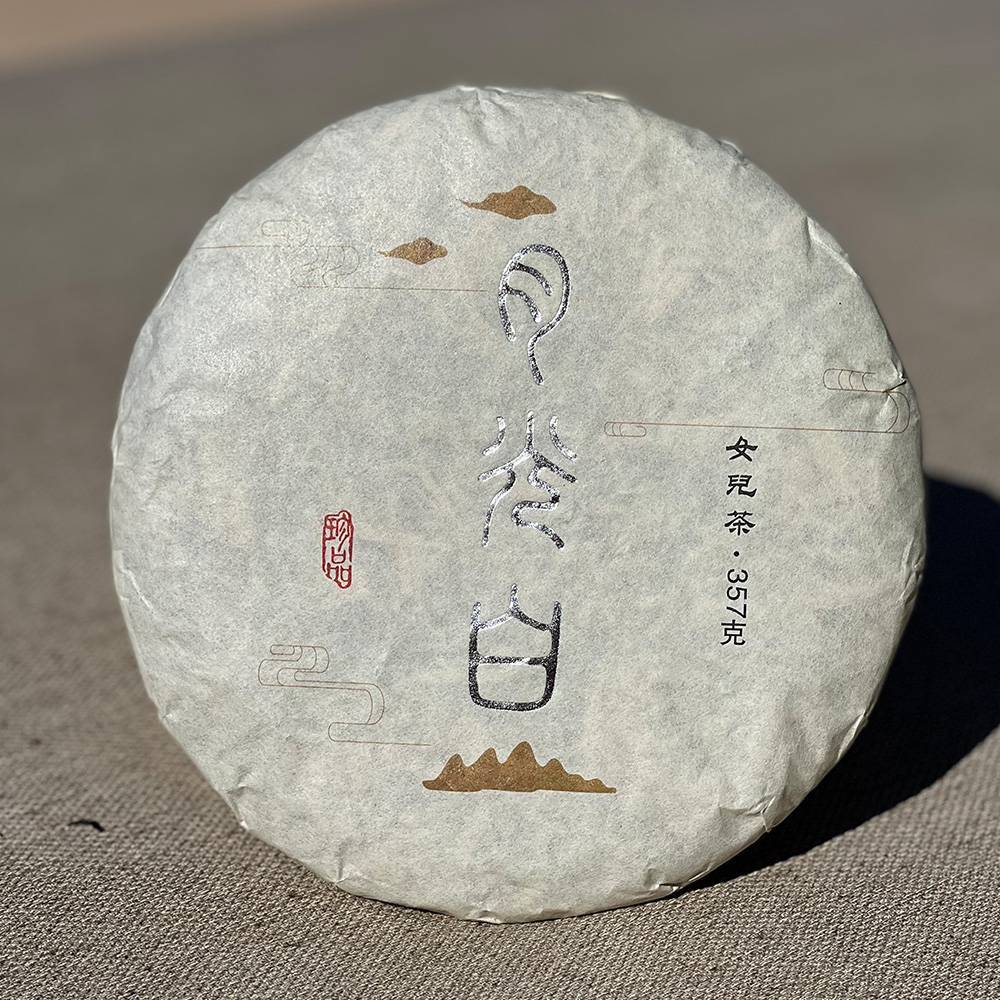
The Moonlight White Tea cake is made from tea leaves harvested in the mountainous area around Menghai, in southern Yunnan. Characterized by a fragrant, sugary taste reminiscent of honey and an intense golden color in the cup, this tea has a delicate and harmonious profile. In China, this tea is traditionally associated with a delicate profile and is sometimes colloquially called a “women’s tea,” precisely because of its soft and fragrant aromatic characteristics. Tasting – Appearance and aroma This Moonlight White Tea cake contains pressed leaves in various shades, from deep brown to light and dark green, and is especially rich in silvery buds covered with soft white down. The moist leaves have floral and sweet honey notes, accompanied by a very slight herbal hint. The liquor in the cup is golden, bright and luminous; its light body, free from astringency, glides across the palate with a silky texture, leaving a pleasant sugary note at the back of the throat. GONG FU CHA Tasting Notes The first infusion of Moonlight white tea is delicate, with sweet and floral aromas: notes of acacia honey and wildflowers can be found. With the second infusion, the floral notes become more intense, recalling chamomile. The honey note remains, together with a slight hay aroma. The third infusion brings fruity notes of apricot, while the honey notes develop into beeswax and vanilla aromas. WESTERN STYLE The first sip of Moonlight white tea reveals incredible sweetness, with notes of acacia honey and linden honey. More floral notes follow, reminiscent of wildflowers, and finally fruity notes of apricot compote and ripe yellow fruit. There is a light, barely perceptible hay note, but the finish returns to sweetness, with a long honey persistence. Place of origin: Menghai, Yunnan, China Preparation We strongly recommend infusing Moonlight white tea using the traditional Chinese method (Gong Fu Cha) with a gaiwan holding approximately 150 ml. With this preparation, 5 grams of leaves can be used for multiple infusions, allowing you to appreciate all the tea’s flavor nuances. Heat the water to 85 °C: briefly rinse the leaves, then make a first infusion of 30 seconds. Keeping the water at the same temperature, continue using the same leaves by adding more water and increasing the infusion time by 10 seconds each time (30–40–50…). This tea lasts for approximately 8 infusions. For a more classic Western-style preparation, use 3 grams of leaves in a 200 ml cup with water at 85 °C for 3–4 minutes. For the best tasting experience, we suggest filtering the tea as soon as the infusion time is complete. The suggested infusion times may be slightly adjusted to obtain a more or less intense taste. Store in a cool, dry place away from direct sunlight.
Price including VAT
The Moonlight White Tea cake is made from tea leaves harvested in the mountainous area around Menghai, in southern Yunnan. Characterized by a fragrant, sugary taste reminiscent of honey and an intense golden color in the cup, this tea has a delicate and harmonious profile. In China, this tea is traditionally associated with a delicate profile and is sometimes colloquially called a “women’s tea,” precisely because of its soft and fragrant aromatic characteristics. Tasting – Appearance and aroma This Moonlight White Tea cake contains pressed leaves in various shades, from deep brown to light and dark green, and is especially rich in silvery buds covered with soft white down. The moist leaves have floral and sweet honey notes, accompanied by a very slight herbal hint. The liquor in the cup is golden, bright and luminous; its light body, free from astringency, glides across the palate with a silky texture, leaving a pleasant sugary note at the back of the throat. GONG FU CHA Tasting Notes The first infusion of Moonlight white tea is delicate, with sweet and floral aromas: notes of acacia honey and wildflowers can be found. With the second infusion, the floral notes become more intense, recalling chamomile. The honey note remains, together with a slight hay aroma. The third infusion brings fruity notes of apricot, while the honey notes develop into beeswax and vanilla aromas. WESTERN STYLE The first sip of Moonlight white tea reveals incredible sweetness, with notes of acacia honey and linden honey. More floral notes follow, reminiscent of wildflowers, and finally fruity notes of apricot compote and ripe yellow fruit. There is a light, barely perceptible hay note, but the finish returns to sweetness, with a long honey persistence. Place of origin: Menghai, Yunnan, China Preparation We strongly recommend infusing Moonlight white tea using the traditional Chinese method (Gong Fu Cha) with a gaiwan holding approximately 150 ml. With this preparation, 5 grams of leaves can be used for multiple infusions, allowing you to appreciate all the tea’s flavor nuances. Heat the water to 85 °C: briefly rinse the leaves, then make a first infusion of 30 seconds. Keeping the water at the same temperature, continue using the same leaves by adding more water and increasing the infusion time by 10 seconds each time (30–40–50…). This tea lasts for approximately 8 infusions. For a more classic Western-style preparation, use 3 grams of leaves in a 200 ml cup with water at 85 °C for 3–4 minutes. For the best tasting experience, we suggest filtering the tea as soon as the infusion time is complete. The suggested infusion times may be slightly adjusted to obtain a more or less intense taste. Store in a cool, dry place away from direct sunlight.