Each product available on the platform is listed and sold by a partner seller identified on the product page. The platform acts as a metasearch/marketplace: it facilitates discovery and checkout, but the sale is made by the seller, who becomes responsible for the transaction.
Shipping is managed directly by the partner seller. The package is sent from the seller's warehouse or logistics network and handed over to the courier. This model enables more efficient deliveries and ensures that order management is handled by the party with actual availability of the product.
On the product page, you will find ingredients, allergens and nutritional information based on the data provided by the seller or producer, namely the official label. If you have allergies or intolerances, we recommend carefully checking the product page before purchasing and contacting the seller with any specific questions.
The platform was created to promote Italian food and make it more accessible. We select sellers in the food e-commerce sector with consistent catalogs and transparent information. Each product is associated with an identifiable seller and a complete information page: we want shopping here to mean buying with confidence.
Delivery times and costs depend on the seller and destination. At checkout, you will always find an updated delivery estimate before confirming payment. For international shipments, times may vary depending on the country and courier.
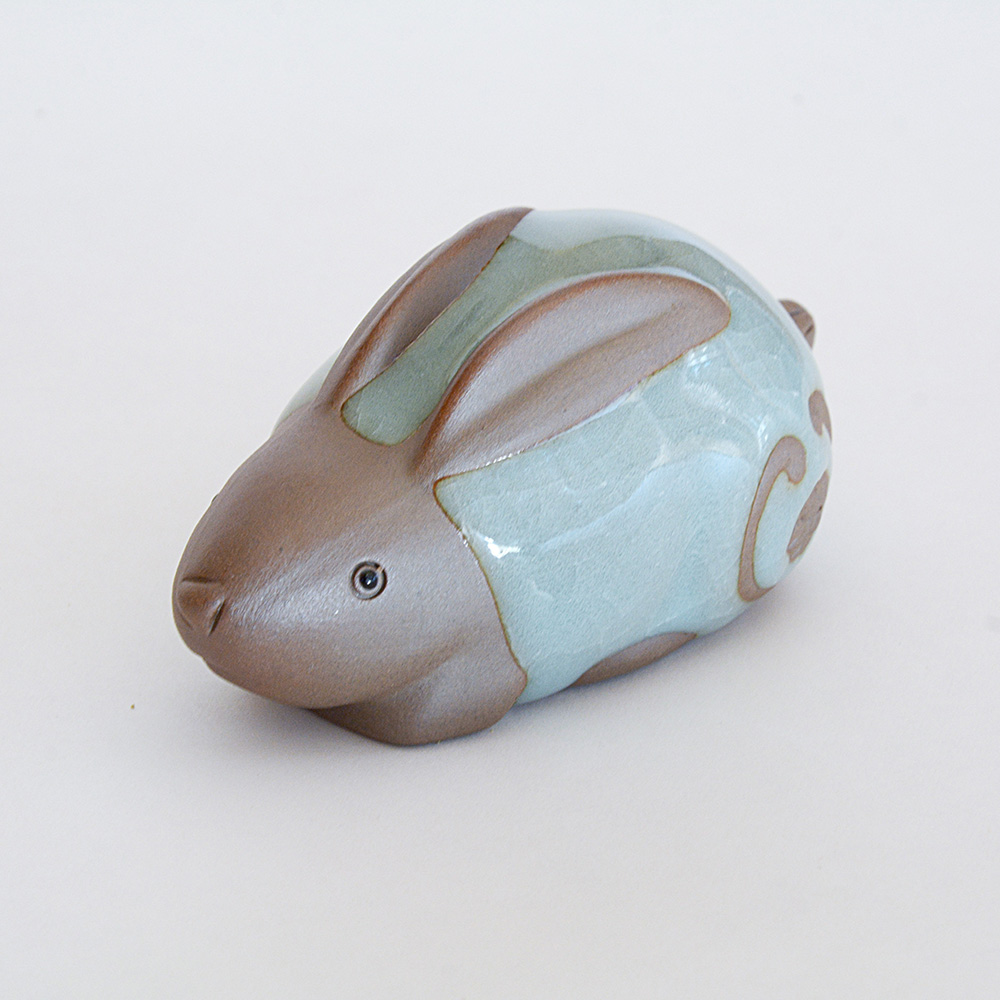
The Zodiac Rabbit Yixing Clay Tea Figurine, glazed with Ru Yao porcelain, is a beautiful figurine made of Yixing clay, used in the traditional tea ceremony. Figurines in the Chinese tea ceremony If you have ever seen the Chinese tea ceremony Gunfu Cha in China, you have probably noticed that almost all tea trays, Cheban, have a clay figurine, “茶宠” (tea pet). It is a small work of art made of Yixing clay, which is constantly moistened during the tea ceremony as a wish for good luck and fortune. In China, tea figurines are revered like pets, although ultimately they are small objects made to decorate the tea tray. In some Chinese families, the dragon figurine may represent the energy of heaven and symbolize a connection with the Tao god; in another family, it may be a talisman given by a deceased grandfather, commemorating him and bestowing his wisdom upon the family. Tea figurines are therefore always present and have very specific meanings. “Feeding” (wetting) your tea pet You can wet your tea figurine with the hot water used to warm the tea utensils before drinking, or you can use the water with which you washed the tea leaves at the beginning of the ceremony. Over time, the figurine will absorb the tea's aroma and scent, and a change in the color of the clay will become noticeable. Tea pets come in many different forms and can be small, medium-sized or very large. They are generally very simple, but have sophisticated designs. They can be animals, people, beetles or even mythical creatures. Using Chinese tea figurines in meditation Some scientists have shown that by focusing attention on an object and relaxing, the human brain begins to work at a different frequency, similar in vibration to the frequency of the brains of monks and saints. In this state of consciousness, a person starts from a stereotyped thought and has the opportunity to tune into the waves needed to obtain an answer to a question of long-standing interest. This effect is called “help from above” or “advice from the ancestors.” While drinking tea, it is easier to reach this state because tea relieves nervous and physical tension, and tea figurines help set and focus attention.
Price including VAT
The Zodiac Rabbit Yixing Clay Tea Figurine, glazed with Ru Yao porcelain, is a beautiful figurine made of Yixing clay, used in the traditional tea ceremony. Figurines in the Chinese tea ceremony If you have ever seen the Chinese tea ceremony Gunfu Cha in China, you have probably noticed that almost all tea trays, Cheban, have a clay figurine, “茶宠” (tea pet). It is a small work of art made of Yixing clay, which is constantly moistened during the tea ceremony as a wish for good luck and fortune. In China, tea figurines are revered like pets, although ultimately they are small objects made to decorate the tea tray. In some Chinese families, the dragon figurine may represent the energy of heaven and symbolize a connection with the Tao god; in another family, it may be a talisman given by a deceased grandfather, commemorating him and bestowing his wisdom upon the family. Tea figurines are therefore always present and have very specific meanings. “Feeding” (wetting) your tea pet You can wet your tea figurine with the hot water used to warm the tea utensils before drinking, or you can use the water with which you washed the tea leaves at the beginning of the ceremony. Over time, the figurine will absorb the tea's aroma and scent, and a change in the color of the clay will become noticeable. Tea pets come in many different forms and can be small, medium-sized or very large. They are generally very simple, but have sophisticated designs. They can be animals, people, beetles or even mythical creatures. Using Chinese tea figurines in meditation Some scientists have shown that by focusing attention on an object and relaxing, the human brain begins to work at a different frequency, similar in vibration to the frequency of the brains of monks and saints. In this state of consciousness, a person starts from a stereotyped thought and has the opportunity to tune into the waves needed to obtain an answer to a question of long-standing interest. This effect is called “help from above” or “advice from the ancestors.” While drinking tea, it is easier to reach this state because tea relieves nervous and physical tension, and tea figurines help set and focus attention.