Each product available on the platform is listed and sold by a partner seller identified on the product page. The platform acts as a metasearch/marketplace: it facilitates discovery and checkout, but the sale is made by the seller, who becomes responsible for the transaction.
Shipping is managed directly by the partner seller. The package is sent from the seller's warehouse or logistics network and handed over to the courier. This model enables more efficient deliveries and ensures that order management is handled by the party with actual availability of the product.
On the product page, you will find ingredients, allergens and nutritional information based on the data provided by the seller or producer, namely the official label. If you have allergies or intolerances, we recommend carefully checking the product page before purchasing and contacting the seller with any specific questions.
The platform was created to promote Italian food and make it more accessible. We select sellers in the food e-commerce sector with consistent catalogs and transparent information. Each product is associated with an identifiable seller and a complete information page: we want shopping here to mean buying with confidence.
Delivery times and costs depend on the seller and destination. At checkout, you will always find an updated delivery estimate before confirming payment. For international shipments, times may vary depending on the country and courier.
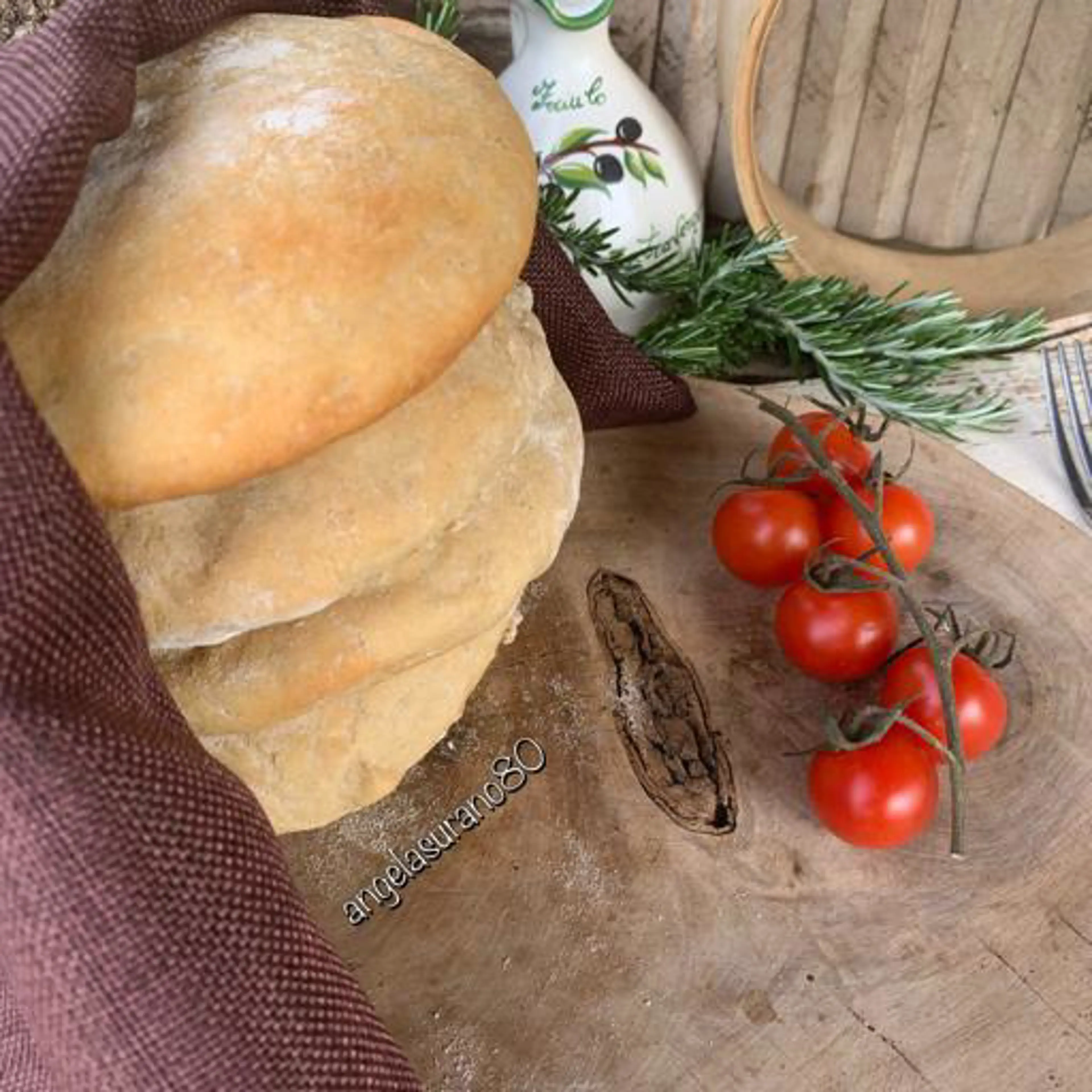
 Recipe by Le ricette di angelasurano80
The Lecce-style puccia, a typical bread of Puglia, is made with flour, oil, salt, and yeast, and is filled with cured meats, meats, and vegetables. Here is the recipe to make it at home!
Portion: the weight of the ingredients divided by 5 portions, excluding ingredients marked “to taste” and those not considered by the analysis, such as broth. It does not change with the portion selector.
Step 1 of 9: Mix the yeast into the warm water.
Step 2 of 9: In a stand mixer, add the flour in the center, the sugar, the oil, the yeast, and finally the salt.
Step 3 of 9: Work the dough until you obtain a smooth, homogeneous ball.
Step 4 of 9: Transfer the dough to an oiled bowl, cover, and let it rise in the oven with the light on until doubled, about 3 hours.
Step 5 of 9: Transfer the dough to a floured work surface and divide it into 5 dough balls of 200 g each.
Step 6 of 9: Start stretching and flattening the dough balls to form the puccie.
Step 7 of 9: Preheat the oven to maximum temperature for 30 minutes.
Step 8 of 9: Bake the puccie for 20-25 minutes, until nicely browned.
Step 9 of 9: Once baked, let them cool and fill as desired.

In summary: Contains nickel · Allergens detected: Gluten
In gray: not detectedDetected
| Average values | Per serving135 g · 1 of 5 | Per 100 g |
|---|---|---|
| Energy | 1,962 kJ469 kcal | 1,458 kJ348 kcal |
| Fat | 8.88 g | 6.6 g |
| of which saturated fatty acids | 1.22 g | 0.91 g |
| Carbohydrates | 88.47 g | 65.73 g |
| of which sugars | 4.13 g | 3.07 g |
| Fibre | 2.72 g | 2.02 g |
| Protein | 13.42 g | 9.97 g |
| Salt | 0.78 g | 0.58 g |
Calculated based on the recipe ingredients: it does not take traces or the composition of the products you use into account. Automatic analysis, limited to certain aspects: it may contain errors, so always check the label.