Each product available on the platform is listed and sold by a partner seller identified on the product page. The platform acts as a metasearch/marketplace: it facilitates discovery and checkout, but the sale is made by the seller, who becomes responsible for the transaction.
Shipping is managed directly by the partner seller. The package is sent from the seller's warehouse or logistics network and handed over to the courier. This model enables more efficient deliveries and ensures that order management is handled by the party with actual availability of the product.
On the product page, you will find ingredients, allergens and nutritional information based on the data provided by the seller or producer, namely the official label. If you have allergies or intolerances, we recommend carefully checking the product page before purchasing and contacting the seller with any specific questions.
The platform was created to promote Italian food and make it more accessible. We select sellers in the food e-commerce sector with consistent catalogs and transparent information. Each product is associated with an identifiable seller and a complete information page: we want shopping here to mean buying with confidence.
Delivery times and costs depend on the seller and destination. At checkout, you will always find an updated delivery estimate before confirming payment. For international shipments, times may vary depending on the country and courier.
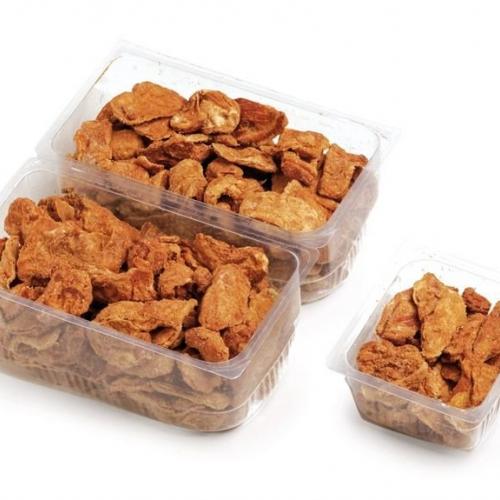
Pork ciccioli, also called greppole in Mantua, originated as a humble rural food with a high calorie content, often served with polenta. Today, however, they have come back into fashion more as a snack to enjoy with an aperitif or to add flavour to focaccia or less savoury dishes. Pork ciccioli: what are they? Ciccioli derive from pork, specifically pork fat. They are made by separating the rind from the fat and cutting the latter into cubes. They are then cooked slowly over low heat. The water is removed from the tissue and the fats melt. The remaining solid is squeezed by hand using a cloth, then the ciccioli are salted and seasoned. They are then pressed to drain all the fat. This produces these crunchy and very flavourful pork ciccioli. The Pedrazzoli Ciccioli, complete supply chain: Pedrazzoli is one of the few medium-sized charcuterie producers still family-run, with a fully integrated supply chain: from cereals and other livestock feed products through to processing the finished product. Even today, it represents one of the most significant names in Italian charcuterie production. Pioneers in organic products, they were the first in 1996 to offer an organic line, which they called Primavera.
Price including VAT
Pork ciccioli, also called greppole in Mantua, originated as a humble rural food with a high calorie content, often served with polenta. Today, however, they have come back into fashion more as a snack to enjoy with an aperitif or to add flavour to focaccia or less savoury dishes. Pork ciccioli: what are they? Ciccioli derive from pork, specifically pork fat. They are made by separating the rind from the fat and cutting the latter into cubes. They are then cooked slowly over low heat. The water is removed from the tissue and the fats melt. The remaining solid is squeezed by hand using a cloth, then the ciccioli are salted and seasoned. They are then pressed to drain all the fat. This produces these crunchy and very flavourful pork ciccioli. The Pedrazzoli Ciccioli, complete supply chain: Pedrazzoli is one of the few medium-sized charcuterie producers still family-run, with a fully integrated supply chain: from cereals and other livestock feed products through to processing the finished product. Even today, it represents one of the most significant names in Italian charcuterie production. Pioneers in organic products, they were the first in 1996 to offer an organic line, which they called Primavera.